

Introduction
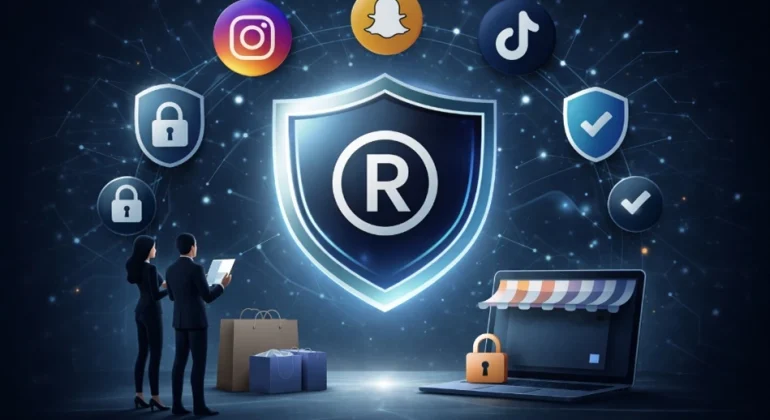
Trademark protection on social media has become a major strategic issue as platforms such as Instagram, Snapchat and TikTok have established themselves as essential visibility channels. While this massive exposure represents a powerful acquisition lever, it also leads to a significant increase in infringements of intellectual property rights.
We observe that the most successful companies no longer rely solely on marketing presence: they implement a comprehensive strategy combining visibility, SEO and legal protection. In this context, controlling the risks associated with the use of distinctive signs online has become an operational necessity.
A convergence between visibility, SEO and trademark awareness
Social media now play a central role in the digital ecosystem. They are no longer just communication channels but true extensions of trademark identity, visible both on platforms and in search engine results.
In practice, a well-optimized Instagram or TikTok account frequently appears among the top Google results for trademark-related queries. This presence helps control online image while strengthening credibility with clients and partners.
An engagement-driven performance model
Trademark performance is no longer measured solely by audience size but by the ability to generate engagement, particularly among younger audiences. Interactions (comments, shares, reactions) directly influence content distribution through platform algorithms.
In this context, editorial strategy must align with legal protection: poorly managed viral content can generate as many risks as visibility.
Strategic specificities of Snapchat, Instagram and TikTok
- Snapchat: encourages spontaneous and authentic communication, ideal for humanizing the trademark.
- However, despite their ephemeral nature, content can be captured and reused, requiring basic internal safeguards.
- Instagram: enables the development of a consistent and high-performing trademark image through professional tools.
- Each published element (photo, caption, hashtag) must comply with trademark law, especially when using third-party distinctive signs.
- TikTok: offers rapid visibility through a powerful algorithm.
- This virality increases the risk of misuse or misappropriation of the trademark, requiring active monitoring.
Unlawful appropriation of usernames
Fraudulent registration of usernames is one of the most common infringements. Third parties may use identical or similar names to capture traffic or create confusion among users.
This phenomenon, comparable to domain name cybersquatting, requires swift action to prevent trademark dilution.
Counterfeiting and unauthorized commercial use
Social media have become major distribution channels, including for counterfeit goods. Fake accounts reproducing logos or promoting misleading offers are increasingly common.
Such practices infringe exclusive trademark rights and may result in significant financial and reputational damage.
Reputational harm and unfair competition
Beyond traditional infringements, social media facilitate:
- Rapid dissemination of harmful content;
- Unauthorized association with a trademark;
- Exploitation of reputation by third parties.
These situations require a nuanced legal approach combining intellectual property and liability law.
Anticipate: build a coherent digital portfolio
The first step is to secure all digital touchpoints. We recommend in particular:
- Filing trademarks with relevant offices, covering appropriate classes and territories;
- Proactively reserving usernames;
- Harmonizing identifiers across platforms to ensure consistency and recognition;
- Checking the availability of distinctive signs before launching campaigns or products.
This proactive approach helps prevent conflicts and ensures consistent trademark communication.

Monitor: implement continuous trademark watch
Effective monitoring relies on technological tools capable of detecting infringements in real time. This includes surveillance across social media, marketplaces and emerging channels.
The objective is to identify infringements early and limit their impact.
Act: deploy appropriate legal mechanisms
In case of infringement, several actions may be taken. An initial response typically involves a takedown procedure, i.e. a formal notice to platforms requesting removal of infringing content or accounts.
Where infringement is more serious (impersonation, infringement, fraudulent commercial use), a structured approach is required, including:
- Sending cease-and-desist letters;
- Initiating username recovery procedures;
- Bringing legal actions based on trademark infringement or unfair competition.
A rapid and structured response generally leads to effective outcomes, including content removal or account recovery.
To learn more about trademark monitoring strategies on social media, we invite you to consult our previously published article.
Conclusion
The presence on Instagram, Snapchat and TikTok represents a major strategic opportunity, provided it is supported by an appropriate protection policy. Controlling legal risks not only preserves intangible assets but also strengthens long-term competitiveness.
Dreyfus & Associés assists its clients in managing complex intellectual property cases, offering personalized advice and comprehensive operational support for the complete protection of intellectual property.
Nathalie Dreyfus with the support of the entire Dreyfus team
FAQ
1. Is a trademark vulnerable if it is not active on social media?
Yes. Lack of active presence facilitates abusive registrations by third parties and complicates recovery actions.
2. How can I prove that a social media account infringes my trademark?
Proof relies on demonstrating likelihood of confusion, unauthorized use and, where applicable, damage. Evidence may include screenshots or monitoring reports.
3. How long does it take to remove a fraudulent account?
It depends on the platform and the strength of the claim. A well-documented takedown may succeed within a few days.
4. Can hashtags constitute trademark infringement?
Yes, when they exploit a protected trademark for commercial purposes without authorization.
5. Is a company liable for content posted by its employees?
Yes, liability may arise in case of unlawful publication.
This publication is intended to provide general guidance and highlight certain issues. It is not intended to apply to specific situations or to constitute legal advice.