Nathalie Dreyfus

Dreyfus: A Unique Expertise in Intellectual Property and Trademarks in France

The Dreyfus firm is a key player in the French intellectual property landscape. Specializing in trademark management, it supports its clients in all stages of protection, from registration to defense against counterfeiting. This article outlines the essential elements of French trademark regulations while highlighting Dreyfus’s role in this field.

A Strong Legal Framework for Trademarks

Legislative Foundations

In France, trademark protection is based on Law No. 91-7 of January 4, 1991, updated by Ordinance No. 2019-1169 and Decree No. 2019-1316. These reforms ensure alignment with European standards, facilitating trademark registration and management procedures.

An International Dimension

France is a party to several international conventions, including the 1883 Paris Convention and the 1994 TRIPS Agreement. It also participates in the Madrid systems for international trademark registration, ensuring protection beyond national borders.

Role of the INPI

The National Institute of Industrial Property (INPI) plays a central role by managing filings, oppositions, and invalidity actions. This institution ensures rigorous enforcement of trademark regulations, supporting innovation and brand integrity.

Trademark Registration and Management Process

Eligibility Requirements

Distinctiveness remains a cornerstone of trademark registrability. Recent case law highlights evolving consumer perception standards, particularly concerning basic English terms used in France (e.g., MySunbed, INPI, 27 May 2024). Meanwhile, decisions on deceptiveness emphasized the need for claimants to demonstrate misleading potential at the time of filing, rather than relying on post-registration evidence (INPI, 3 April 2024, NL 22-0199).

Non-traditional trademarks, such as holograms or sounds, are also accepted under specific technical conditions.

Unregistered Trademarks

French law does not recognize unregistered trademarks. However, well-known trademarks enjoy protection against misappropriation based on principles of unfair competition. Proving renown remains challenging, as it requires robust evidence such as prior judicial recognition or extensive consumer exposure (INPI, 12 July 2024, Immo Angels). Meanwhile, allegations of parasitic intent require clear links between the litgious trademark and a recognizable external reference, as demonstrated in the Cadault case (INPI, 29 April 2024).

Administrative Procedures

Trademark applications are submitted via the INPI’s online platform. While a prior search is not mandatory, it is highly recommended to prevent conflicts with existing rights.

Benefits of a Registered Trademark

  1. Legal Protection: A registered trademark provides a presumption of validity and enables legal action in cases of infringement.
  2. Ease of Management: Registration simplifies oppositions and cancellations while allowing the blocking of counterfeit product imports.
  3. Strengthened Identity: A well-protected trademark enhances brand recognition and competitive advantage.

Validity Period and Renewal

A trademark is valid for 10 years and can be renewed indefinitely. Failure to use a trademark for five consecutive years risks cancellation, but the INPI provides solutions to justify its use.

Recent decisions reflect the broad evidentiary approach adopted by the INPI. Undated documents such as marketing materials and screenshots, when evaluated collectively with dated items, have been deemed admissible (e.g., INPI, 2 May 2024, Bob dépannage!). This flexibility underscores the importance of maintaining detailed usage records.

Opposition and Litigation

Opposition

Any interested party can oppose a trademark application within two months of its publication. This procedure is crucial to protect pre-existing rights.

Cancellation Actions

Trademarks can be canceled on various grounds, such as lack of distinctiveness or bad faith registration. These mechanisms remain vital tools for preserving registry integrity.

New Perspectives: NFTs and Artificial Intelligence

With the emergence of NFTs and AI, new trademark challenges are arising. Businesses must adapt their trademark portfolios to cover these new technologies and anticipate the legal challenges they entail.

Dreyfus’s International Recognition of Excellence

Dreyfus law has earned widespread acclaim for its outstanding expertise in intellectual property law, consistently ranking among the best in the field:

  • WTR1000 2024: Nathalie Dreyfus has been ranked among the top professionals in intellectual property law, reflecting her unparalleled expertise and commitment to client success.
  • Legal 500: Nathalie Dreyfus was referenced in the 2023 edition for her innovative approach to trademark management and strategic advice.
  • Who’s Who Legal Thought Leaders France 2024: Nathalie Dreyfus was distinguished in this prestigious report, highlighting her thought leadership and significant contributions to the field.

These prestigious accolades highlight the Dreyfus firm’s unwavering dedication to excellence, its commitment to delivering exceptional legal services, and its reputation as a trusted partner in protecting intellectual property rights.

Dreyfus’s Judicial and International Expertise

Founding and managing partner of Dreyfus Law Firm, Nathalie Dreyfus is an officially accredited judicial expert with the Paris Court of Appeal in trademark and design law, as well as with the Court of Cassation in trademark matters. Her recognized expertise extends internationally, as she is also an accredited expert with WIPO (World Intellectual Property Organization) in Geneva, where she issued 17 decisions in 2024, and with the Forum (USA). Her unique combination of judicial and international experience positions her as a leading authority in the field, providing unparalleled insights and solutions to complex intellectual property issues.

Conclusion

By combining local expertise with an international vision, Dreyfus law firm offers an innovative approach to protecting trademarks in a constantly evolving world. Whether through advisory services, management, or litigation, Dreyfus remains a trusted partner for companies looking to enhance their intangible assets.

Join us on social media !

LinkedIn  

Instagram

Read More

Intellectual Property Law in the Wine Sector: Protecting heritage and innovation

The wine industry represents a unique confluence of tradition, innovation, and commerce. Intellectual property (IP) law plays a pivotal role in preserving this delicate balance by safeguarding trademark identities, regional heritage, and innovative practices. This article delves into the intricacies of IP law in the wine sector, examining the role of trademarks, geographical indications, and other IP tools in protecting the interests of stakeholders while fostering innovation.

The pillars of intellectual property in the wine industry

I – Trademarks: Securing brand identity

Trademarks are vital for distinguishing one producer’s products from another. In a competitive market, a strong trademark ensures brand recognition, consumer loyalty, and legal protection against imitation.

There are challenges in trademark registration :

  • Similarity of Products: Many wine trademarks fall under Class 33 (alcoholic beverages excluding beers). The dense registration landscape often leads to disputes regarding the similarity of products and signs.
    • Example: Opposition cases where trademarks like “MARQUIS DELATRE” and “MARQUÈS DEL ATRIO” were scrutinized for phonetic and visual resemblance.
  • Distinctiveness: Terms such as “Château” or “Domaine”, often used descriptively, require additional elements for registration.

Recent rulings from bodies like the French INPI and the EUIPO emphasize the need for trademarks to exhibit clear distinctiveness and avoid consumer confusion. For instance, rulings on marks like “LOUIS DE LA ROCHE” and “DOMAINE DE LA ROCHE” underline the importance of evaluating the overall impression of signs.

II- Geographical Indications: Preserving regional heritage

Geographical indications protect the names of regions associated with specific qualities or reputations, ensuring authenticity and preserving cultural heritage. Examples include Champagne, Bordeaux, and Chianti.

The EU’s comprehensive framework, such as the recent Regulation (EU) No. 2024/1143, governs the use and protection of GIs.

Some case studies :

  • Evocation and Misuse: Attempts to register terms evocative of protected geographical indication, such as “TIZZANO” for Corsican wines, often lead to legal challenges. Courts examine whether such terms might mislead consumers.
  • Modification of Specifications: Changes to PDO (Protected Designation of Origin) rules, such as permitting new grape varieties, must align with preserving the essence of the GI.

III – Innovation and patents in viticulture

Innovations in vineyard management and winemaking—from advanced irrigation systems to fermentation techniques—can be patented. Such protection incentivizes R&D while allowing producers to capitalize on their ingenuity.

While patents foster innovation, the wine sector’s reliance on tradition necessitates careful consideration of cultural impacts. For example, patents related to non-traditional production methods, like de-alcoholized wines, must respect established GI rules.

IV – Design Protection: Packaging and presentation

The aesthetic appeal of wine packaging often influences consumer choice. Design rights protect elements like bottle shapes, labels, and closures, ensuring that unique presentations remain exclusive to their creators.

Innovative designs, such as eco-friendly packaging, have gained traction. Protecting these designs reinforces a producer’s commitment to sustainability and brand differentiation.

Enforcement and Dispute Resolution

Infringement Challenges

The wine industry’s premium products are frequent targets of counterfeiting. IP enforcement mechanisms, such as customs interventions and litigation, are essential for combating this issue.

Domain Name Disputes

Cybersquatting cases, such as those involving domain names mimicking famous wine brands, highlight the need for vigilance in digital spaces. The UDRP (Uniform Domain-Name Dispute-Resolution Policy) provides an effective resolution mechanism.

Arbitration and Mediation

Given the international nature of the wine trade, alternative dispute resolution methods like WIPO arbitration offer efficient solutions to cross-border IP conflicts.

Navigating the Future of IP in the Wine Sector

Sustainability and IP

As sustainability becomes a market priority, producers are leveraging IP to protect eco-friendly innovations and branding strategies.

Digital Marketing and E-commerce

With the rise of e-commerce, protecting trademarks and designs in digital marketplaces is increasingly critical.

Strengthening International Cooperation

Harmonizing IP standards through international agreements, such as the Lisbon Agreement and TRIPS, is essential for ensuring robust protection across jurisdictions.

Conclusion

The wine industry’s reliance on intellectual property law underscores its commitment to preserving heritage while embracing innovation. By navigating the complexities of trademarks, geographical indications, patents, and design rights, stakeholders can protect their assets and ensure a thriving future for viticulture worldwide. Effective enforcement and adaptation to emerging trends will further solidify the role of IP as a cornerstone of the wine sector’s success.

Dreyfus Law Firm excels in protecting and promoting wine trademarks, as well as managing appellations of origin (AOC/AOP) and geographical indications (GI). With our deep expertise in intellectual property and wine law, we support producers, trade unions, and other stakeholders in safeguarding and enhancing their products.

Join us on social media !

LinkedIn  

Instagram

Read More

Precedent on Opposition and Cancellation Proceedings – 2024

In the dynamic landscape of intellectual property lawopposition and cancellation proceedings serve as vital instruments for ensuring trademark registries maintain integrity and relevance. In 2024, the INPI (Institut National de la Propriété Industrielle) and French courts delivered landmark decisions that clarified procedural subtleties and substantive grounds for action. This article explores key decisions, offering practitioners and businesses critical insights into the latest trends shaping French IP litigation.

Key procedural elements

Non-use cancellation and evidence requirements

Cancellation for non-use remains a critical aspect of trademark disputes. Recent decisions reflect the broad evidentiary approach adopted by the INPI. Undated documents such as marketing materials and screenshots, when evaluated collectively with dated items, have been deemed admissible (e.g., INPI, 2 May 2024, Bob dépannage!). This leniency underscores the need for comprehensive and detailed records of use.

However, the geographical scope of use remains tightly interpreted. For instance, evidence targeting a non-French market (Swiss company) in English were deemed insufficient to establish French usage (INPI, 11 March 2024, Bureau d’Idées), reminding trademark holders of the importance of local relevance.

Procedural standing and abuse of rights

A consistent theme in 2024 decisions is the public interest nature of cancellation proceedings, obviating the need for claimants to demonstrate personal interest. This principle highlights the role of such proceedings in ensuring the integrity of trademark registries and was reaffirmed in CA Paris, 24 April 2024, Vape, which emphasized the role of these actions in cleansing the registry.

Claims of abuse of rights require substantial evidence of malicious intent. In MySunbed (INPI, 27 May 2024), the INPI rejected bad faith allegations where the claimant’s actions were not clearly aimed at harming the trademark holder, setting a high bar for abuse-related defenses.

Temporal scope and legal framework

The temporal application of law remains pivotal in cancellation actions. Decisions such as Cavalride (INPI, 3 April 2024) reiterated that trademarks are assessed based on the legal framework at their filing date, making historical legal research an indispensable tool for practitioners.

Expanded grounds for invalidity

Distinctiveness, deceptiveness, and public order

Distinctiveness remains a cornerstone of trademark registrability. The MySunbed case (27 May 2024) highlighted the evolving standards of consumer perception, particularly concerning basic English terms used in France (INPI, 27 May 2024). Meanwhile, decisions on deceptiveness emphasized the need for claimants to demonstrate misleading potential at the time of filing, rather than relying on post-registration evidence (INPI, 3 April 2024, NL 22-0199).

Public order considerations were addressed in cases like NL 23-0089, where the INPI dismissed claims that a trademark contravened legal restrictions, focusing on whether actual prohibitions existed at the time of filing (INPI, 18 March 2024).

Renown and parasitic intentions

Proving renown remains challenging, as it requires robust evidence such as prior judicial recognition or extensive consumer exposure (INPI, 12 July 2024, Immo Angels). Meanwhile, allegations of parasitic intent require clear links between the litgious trademark and a recognizable external reference, as demonstrated in the Cadault case (INPI, 29 April 2024).

Recent case-law trends in French IP litigation

French IP precedent in 2024 reveals a pro-business tilt, particularly in its evidentiary flexibility for proving use. However, the INPI’s stringent standards for distinctiveness and renown ensure that frivolous registrations face robust scrutiny. This balanced approach promotes a competitive yet fair trademark ecosystem.

Additionally, courts have shown increasing sophistication in addressing linguistic and cultural nuances. The La Chicha Loca case, for instance, highlighted the growing recognition of diverse public perceptions based on regional language comprehension (INPI, 26 January 2024).

Conclusion

The decisions of 2024 underscore the importance of strategic preparation in opposition and cancellation proceedings. Practitioners must anticipate evidentiary hurdles, leverage historical legal contexts, and adapt arguments to evolving standards of distinctiveness and public perception. Key takeaways include:

  • The INPI increasingly emphasizes public interest in cancellation actions.
  • Successful cancellation claims demand comprehensive, evidence-backed arguments, particularly regarding distinctiveness and renown.
  • Cultural and linguistic contexts play a growing role in trademark disputes.

Dreyfus Law firm assists its clients in managing complex intellectual property cases, offering personalised advice and comprehensive operational support for the full protection of intellectual property.

Dreyfus Law firm works in partnership with a worldwide network of lawyers specialising in Intellectual Property.

Join us on social media!

Nathalie Dreyfus with the assistance of the entire Dreyfus team.

FAQ

1. What is the difference between opposition proceedings and an action for invalidity?

Opposition seeks to prevent the registration of a pending trade-mark application, whereas an invalidity action attacks a registration that has already been granted.

2. When may revocation for non-use be brought?

An action for revocation may be filed once the mark has not been put to genuine use for an uninterrupted period of five years. The INPI will tolerate this period only where the proprietor can supply convincing evidence of use.

3. Must a trade-mark’s reputation be national in scope?

No. A sector-specific or regional reputation is sufficient, provided it is objectively established.

Read More

What are the different steps to register a trademark in the European Union (EU) ?

Introduction

Trademarks are a key intellectual property asset for companies of all sizes. They enable you to differentiate your products and services from those of competitors and provide legal protection allowing you to defend your protected names and logos. If you are considering filing a trademark benefiting from protection throughout the European Union (EU), this article briefly explains the different steps to follow.

Step 1: Prior art search

The first step is to verify the availability of the trademark you wish to file. Before any filing, it is essential to carry out a “prior rights search” to ensure that the name or logo you wish to protect is not already registered by a third party for identical or similar products or services. This approach helps to prevent the risk of future legal conflicts.

At first, the EUIPO’s trademark search tool is a good starting point to obtain an initial indication of any identical prior rights, both among EU trademarks and national trademarks of the various EU member states.

For an EU trademark project, it is generally essential to carry out a more in-depth search. This can be done with the assistance of an intellectual property attorney who has access to specialized tools and the expertise necessary to identify not only identical but also similar trademarks that basic identity searches may miss.

If no blocking prior rights are detected, you can then move confidently to the next step of the filing process.

Step 2: Filing of the trademark

The second step is to complete a trademark application form. This form must include several pieces of information: the name of the trademark and/or logo, the name of the company that will own the trademark, its contact details, and the classes of the goods and services covered. Drafting the specification of goods and services should be done with the assistance of an attorney. Once the form is completed and submitted, you must pay a so-called “filing” fee.

Step 3: Examination of the trademark application

The third step is no longer under your control. Once the trademark application has been submitted to the EUIPO, it will undergo a rapid examination of the substantive and formal conditions that every trademark application must meet, including notably:

  • Are the goods and/or services for which your trademark is filed correctly classified?
  • Has the application been correctly completed?
  • Has the fee been paid?

Please note: the EUIPO does not carry out a prior check of your trademark’s availability in relation to trademarks already registered in the European Union. However, it informs holders of earlier rights when a trademark application appears similar to their rights.

After this examination, the EUIPO will publish your trademark application in the Official Journal of the European Union. This informs third parties of your filing. From the date of publication, third parties have three months to oppose the registration of the trademark if they believe it infringes their own rights.

Step 4: Trademark registration

At the end of the examination process, the trademark is either accepted or refused for registration. If accepted, you will receive a digital registration certificate. This certificate provides proof of the legal protection granted to your trademark in the EU.

Finally, keep in mind that the EU trademark is protected for 10 years and is indefinitely renewable at the end of the initial protection period. A renewal fee must be paid to extend the protection for a new 10-year period.

Conclusion

trademark registration eu

To register a trademark in the EU and maintain its protection, each of these steps must be followed. The prior rights search is an essential prerequisite as it helps ensure, as far as possible, that no opposition will be filed after your trademark application.

Dreyfus & Associés can assist you at every stage of your trademark filing, from the prior rights search to its official registration, to secure your rights effectively.

Dreyfus & Associés works in partnership with a global network of attorneys specializing in Intellectual Property.

Nathalie Dreyfus with the support of the entire Dreyfus team

FAQ

1. What is an EU trademark and what are its advantages?
An EU trademark (EUTM) is a single title granted by the EUIPO which provides uniform protection in all 27 Member States. It simplifies and centralizes the filing, management and enforcement of your rights in the EU.

2. How much does it cost to file an EU trademark?
Official fees start at €850 for one class of goods or services. Additional fees apply for each extra class. Attorney’s fees are charged separately.

3. Is it better to file a national trademark or an EU trademark?
This depends on your objectives and geographic scope. Filing a national trademark is often suitable for companies that are just starting out and targeting only the French market. However, opting from the outset for an EU trademark offers the advantage of a single protection in 27 Member States and anticipates future expansion of the project to other countries, even if the activity initially remains focused on France.

4. Is a prior rights search mandatory before filing a trademark?
It is not legally mandatory but is strongly recommended to identify identical or similar trademarks already registered and reduce the risk of opposition.

5. What happens if I forget to renew my trademark?
Do not worry: if you forget to renew your trademark at the end of the 10-year period, the law provides for a six-month grace period from the date of expiration. During this period, you can still renew and preserve your rights, but an additional fee will be charged on top of the standard renewal fee. After this period, the trademark falls into the public domain and must be refiled to regain protection.

Read More

What are the costs of registering a trademark with an Intellectual Property Attorney in the EU?

Introduction

Registering a trademark is one of the most important steps in protecting it. A trademark is a sign or symbol that distinguishes your products and services from those of your competitors, and it can be a valuable asset for your business. But if you want to register a trademark in the EU, you will need to work with a lawyer or, more specifically, an Industrial Property Attorney (IPA), a professional specially qualified to assist you in this area. This article explains the cost of registering a European trademark when you seek the assistance of a lawyer or industrial property attorney.

Preliminary step: eligibility of the proposed sign as a trademark

The first step in the process of registering a trademark with a lawyer or industrial property attorney in the EU is to determine whether your trademark is eligible for registration. Under European law, a trademark must be capable of distinguishing the goods or services of its owner from those of other companies. It must also meet other strict criteria:

  • Non-descriptive character: the trademark must not consist exclusively of signs describing the quality, quantity, intended purpose, value, or origin of the goods/services designated.
  • Non-generic nature: the trademark must not consist of signs or indications that have become customary in the current language of trade.
  • The sign must not be contrary to public policy or morality.
  • The sign must not be deceptive, i.e., it must not be likely to mislead the public as to the nature, quality, or origin of the goods or services.

The trademark must therefore comply with the conditions set out in the Directive (EU) 2015/2436 of the European Parliament and of the Council of December 16, 2015. If your trademark meets these criteria, you can proceed to the next step.

Determining the cost

The next step is to determine the cost of registering a trademark with a lawyer or industrial property attorney. The cost of registration varies depending on the number of classes of goods and services designated. In addition, the fees of the lawyer or industrial property attorney must also be considered, as well as optional costs such as those related to prior art searches.

costs registration EU

Application submission and registration

Once the registration cost has been determined, you will then need to file an application with the EUIPO (European Union Intellectual Property Office). This application must include all the necessary information about your trademark, the subject of the registration, such as the sign (word mark or logo) and the classes of goods and services designated. The EUIPO will then examine your application.

If there are no oppositions filed against the trademark application, the registration process, from the date of filing to official registration, generally takes around four to six months.

Once accepted by the EUIPO, the trademark will be officially registered for a period of 10 years and you will receive a registration certificate.

2025 Update: What you need to know about official taxes

To ensure that this article remains up to date, it is important to note that the official filing fees of the European Union Intellectual Property Office (EUIPO) are subject to annual adjustments. It is essential to check the official fee schedules directly on the EUIPO website at the time of filing each year.

For example, in 2024, the basic fees for a European Union trademark (EUTM) covering one class have generally remained stable compared to 2023, but an increase in agency fees and specialized prior art search fees should be anticipated.

The importance of using an Industrial Property Attorney remains unchanged, as this professional ensures that your application complies with current regulations and administrative practices of the EUIPO.

Conclusion

The cost of registering a European trademark with a lawyer or industrial property attorney is an important consideration for any company wishing to protect its trademark. Although the cost of registering a trademark may vary, it remains a necessary and significant investment in the protection of your intangible assets, guaranteeing you protection for a minimum of 10 years (a trademark can be renewed indefinitely).

Dreyfus & Associés assists its clients in managing complex intellectual property cases, offering personalized advice and comprehensive operational support for the complete protection of intellectual property.

Dreyfus & Associés works in partnership with a global network of attorneys specializing in Intellectual Property.

Nathalie Dreyfus with the support of the entire Dreyfus team

FAQ

1. What is the European Union Intellectual Property Office?

The European Union Intellectual Property Office (EUIPO) is the entity responsible for registering European Union trademarks (EUTMs).

2. Is a prior art search mandatory before filing a trademark?

A prior art search is not strictly mandatory for filing a trademark with the EUIPO, but it is strongly recommended. It allows you to check whether an identical or similar trademark already exists and to assess the risks of opposition, thus avoiding unnecessary costs and procedures.

3. What rights does registering a European Union trademark with the EUIPO confer?

Registering a European Union Trademark (EUTM) with the EUIPO provides uniform protection in all current EU member states. The filing fees cover this pan-European protection.

4. How long is a European trademark valid for?

The registration of a European Union trademark (EUTM) is valid for a period of 10 years from the date of filing the application and is renewable indefinitely for periods of 10 years.

5. What is an opposition procedure and how does it affect the registration timeframe?

An opposition procedure is legal action brought by the owner of an earlier trademark who believes that your new trademark application infringes on their rights. If an opposition is filed, the registration timeframe can be significantly extended (often by more than a year) and requires the intervention of your attorney or industrial property attorney to reply to the opposition.

Read More

Brexit and intellectual property : Ensuring the continuity of rights in trademarks and designs

Introduction : The legal breakup after Brexit

The United Kingdom’s exit from the European Union (Brexit) has dramatically altered the legal landscape, particularly in terms of intellectual property. Before December 31, 2020, intellectual property rights such as trademarks and designs were uniformly protected across the European Union, including the United Kingdom. However, since the end of the transition period, the separation of legal systems has required separate management of intellectual property rights for the UK and the EU.

This article explores the consequences of Brexit on intellectual property rights, particularly for trademarks and designs, and offers solutions to ensure their protection in this new legal environment.

Trademarks after Brexit : what has changed ?

2.1 Automatic conversion of EU trademarks into UK rights

Before Brexit, a trademark registered with the EUIPO (European Union Intellectual Property Office) protected rights across all EU member states, including the UK. Since January 1, 2021, EU trademarks (EUTMs) no longer cover the UK. To prevent trademark holders from losing protection in the UK, the UK Intellectual Property Office (UKIPO) automatically converted EU trademarks into comparable UK rights. These “cloned” marks retain the same filing and priority dates as their EU counterparts but are now governed by UK law.

2.2 European legislative reforms after Brexit

Following Brexit, the European Union continued to strengthen its legal framework for trademark protection. Regulation (EU) 2017/1001 on the European Union trademark was revised to address new challenges, particularly in the areas of cybersecurity and counterfeiting. The EUIPO implemented new tools to facilitate the monitoring of online violations and simplify dispute resolution procedures. These reforms are specific to the EU and do not directly affect trademarks in the UK, but they help reinforce the protection of EU trademarks post-Brexit.

2.3 Post-Brexit UK legislative reforms

The UK has introduced its own distinct legislation for managing trademarks after Brexit. The UKIPO has strengthened its rules to ensure that trademarks in the UK continue to receive the same protection as before, while also aligning with international standards. The UK has also adapted its mechanisms for tackling counterfeiting and IP rights violations, now independent of the EU. This legislation aims to reinforce the protection of rights in the UK and address global challenges related to counterfeiting.

2.4 EU Trademarks still under registration on December 31, 2020

EU trademark applications that were still under registration as of December 31, 2020, benefit from a priority right to file the same application with the UKIPO within nine months after the end of the transition period. This procedure allows holders to maintain their protection in the UK with the same filing date and the same goods and services as their corresponding EUTM.

Designs after Brexit: The new rules in the United Kingdom

3.1 Automatic conversion of registered Community designs

  • Community designs registered before Brexit were automatically converted into equivalent UK rights.
  • This conversion was carried out at no additional cost to the holders.
  • The priority, filing, and renewal dates of the cloned UK rights are identical to those of the original Community designs, ensuring uninterrupted protection in the United Kingdom.


designs brexit

Steps to ensure protection of rights in the UK after Brexit

4.1 Verification of existing registrations and separate registration

After Brexit, it is essential to ensure that intellectual property rights have been properly converted into UK rights. Holders must verify that their trademarks and designs have been cloned in the UK. For new creations, it is imperative to proceed with separate registration with the UKIPO to guarantee continued protection in the UK.

4.2 Monitoring the use of rights : Proof of genuine use

Once rights are registered in both the UK and the EU, it is crucial to monitor the use of these rights in each jurisdiction. Use of the trademark or design in the EU no longer justifies use in the UK, and vice versa. To avoid the cancellation of your rights for non-use, you must be able to demonstrate genuine use in each territory. This step is essential for maintaining the validity of your trademarks and designs in both jurisdictions.

4.3 Defending intellectual property rights

The UK has an effective judicial system for handling intellectual property disputes. In the event of infringement, holders can send a cease and desist letter to demand the cessation of the infringement. If the situation persists, they can bring the matter to specialized intellectual property courts, such as the Intellectual Property Enterprise Court (IPEC), or the Patents Court for more complex cases.

Conclusion : protecting your rights after Brexit

Brexit has separated the systems for protecting intellectual property rights between the UK and the EU. Rights holders now need to manage their trademarks and designs separately in both territories. The key to maintaining continuous protection lies in distinct registration, monitoring the use of rights, and proactively managing disputes. The legislative framework has evolved to allow efficient management of rights in both the UK and Europe.


Dreyfus & Associates supports businesses in protecting their trademarks and designs against the legal challenges arising from Brexit and the separate management of rights between the European Union and the United Kingdom.

Nathalie Dreyfus, with the support of the entire Dreyfus & Associates team

FAQ

1. Does my EU trademark still protect me in the UK after Brexit ?
No, since January 1, 2021, EU trademarks no longer cover the UK. However, the UKIPO has generated comparable UK trademarks to maintain equivalent protection.

2. What should I do if I have a European trademark registered before Brexit ?
European trademarks were automatically converted into comparable UK trademarks without additional fees. You now need to manage your trademarks separately in the UK and the EU.

3. How can I ensure the protection of my designs in the UK after Brexit ?
Community designs were automatically converted into UK rights. However, for new designs, you must now file a separate application with the UKIPO to ensure protection in the UK.

4. What should I do if I haven’t yet filed my trademark or design in the UK ?
You need to file an application with the UKIPO to ensure the protection of your trademark or design in the UK. EU trademarks are no longer valid in the UK since January 1, 2021.

5. What steps should I take to maintain the protection of my rights after Brexit ?
It is essential to file separate applications with the UKIPO for the UK and the EUIPO for the EU. You must also prove the use of your rights in each territory to ensure their validity.

Read More

Fashion ID and Facebook : joint responsibility subject to debate

Introduction

The integration of third-party social plugins on professional websites has become a standard feature of digital strategies. Sharing buttons, advertising pixels, and analytics tools are widely perceived as levers for audience growth and commercial performance. However, these technical choices now entail legal responsibility for economic operators, particularly under European personal data protection law.

The Fashion ID judgment, handed down by the Court of Justice of the European Union, the July 19, 2019, constitutes a structuring decision in this respect. By recognising, under certain conditions, joint responsibility between a website publisher and Facebook as a result of integrating the “Like” button, the Court profoundly reshaped the analysis of digital chains of responsibility.

This solution, grounded in a functional and pragmatic approach, nevertheless continues to give rise to doctrinal and practical debate as to its actual scope and its operational implications.

The Fashion ID decision : a landmark in European data protection law

In the Fashion ID case, the company operating an online retail website had integrated Facebook’s “Like” button. This plugin triggered, as soon as the page loaded, the automatic transmission of visitors’ personal data (IP address, browsing data), regardless of any voluntary interaction with the social network.

The central question concerned Fashion ID’s legal qualification : could it be regarded as a controller even though it neither had access to the transmitted data nor exercised control over their subsequent use by Facebook ?

The Court adopted a resolutely concrete approach. It held that the voluntary integration of the social plugin, for purposes of visibility and commercial promotion, was sufficient to characterise participation in determining the purposes and means of processing, at least for the data-collection phase.

Fashion ID was therefore classified as a joint controller, alongside Facebook, for that specific phase of processing.

The concept of joint controllership applied to social plugins

The Court confirms that joint controllership does not require equality of roles or identical access to data. It is based on a functional analysis, taking into account the effective involvement of each actor in the processing chain.

Accordingly, a website may be deemed a joint controller where it :

• deliberately chooses to integrate a third-party tool ;
• derives an economic or marketing benefit from that integration ;
• facilitates, even indirectly, the collection of personal data.

This analysis aligns with the positions adopted by European data protection authorities, in particular the recommendations issued by the CNIL regarding trackers and third-party tools.

The Court is careful to specify that joint responsibility is neither global nor unlimited. It is strictly confined to the operations over which the website publisher exercises real influence, namely the initial collection and transmission of data.

web publisher liability

The limits set by the Court : a strictly circumscribed responsibility

One of the key contributions of the Fashion ID decision lies in the clear delineation of responsibility. The website publisher is not held responsible for subsequent processing carried out by Facebook, insofar as it does not determine either the purposes or the modalities thereof.

This clarification is essential to preserving a balance between data protection and legal certainty for economic operators.

The decision does not establish a principle of automatic responsibility for any integration of a third-party module. Each situation must be assessed on a case-by-case basis, taking into account the reality of data flows, the intended purpose, and the degree of involvement of the website publisher.

Practical takeaways for companies and trademarks

Website publishers must clearly inform users of data collection through third-party modules, identifying joint controllers and the purposes pursued.

This transparency requirement is fully consistent with the General Data Protection Regulation of April 27, 2016 (GDPR) framework and the CNIL’s guidelines.

Where the data collected are not strictly necessary for the operation of the website, prior consent is required. Such consent must be effective, specific, and technically enforced, which often entails revisiting the default settings of social plugins.

Best practices and risk-management strategies

To limit legal exposure, companies may usefully implement the following measures :

• regular audits of integrated tools and plugins ;
• removal of non-essential modules ;
• use of deferred loading solutions (lazy loading) ;
• contractual framing of relationships with third-party providers ;
• documentation of technical and legal choices made.

Conclusion

The Fashion ID case clearly illustrates how the law now addresses digital architectures. Joint responsibility is no longer a theoretical construct, but a concrete operational risk for companies, particularly those whose reputation relies on their digital presence.

Dreyfus & Associés law firm assists assists its clients in managing complex intellectual property cases, ensuring GDPR compliance, and providing legal protection for their digital strategies.

Dreyfus & Associés works in partnership with a global network of specialised intellectual property lawyers.

Nathalie Dreyfus, with the support of the entire Dreyfus firm team.

Q&A

1. Can joint responsibility be established in the absence of a contractual relationship with Facebook ?
Yes. The existence or absence of a formal contract with Facebook is not decisive. The Court reasons outside any contractual logic, relying exclusively on the facts and the reality of data flows. A website may therefore be classified as a joint controller even if it has entered into no specific agreement with the provider of the social plugin.

2. What concrete risks arise in the event of an inspection by the CNIL or a European authority ?
The risks are multiple and cumulative: formal notice, injunctions to comply, administrative fines, as well as potential compensation claims by users. Beyond the financial aspect, reputational risk is often decisive, particularly for exposed trademarks or those operating in sensitive sectors.

3. Does removing the social plugin eliminate all legal risk ?
Not necessarily. Removal puts an end to future risk, but it does not erase past processing. Authorities may examine previous practices, especially where data were collected without proper information or valid consent. Hence the importance of documenting audits carried out and corrective measures implemented.

4. Can this case law extend to tools other than social networks ?
Yes, and this is a central point. The Fashion ID reasoning goes far beyond “Like” buttons alone. It is transposable to other technologies such as advertising pixels, audience-measurement tools, chat services, video players, or interactive maps, insofar as they entail the transmission of personal data to third parties.

5. How should joint controllership be distinguished from processing on behalf of a controller under the GDPR ?
The distinction is fundamental. A processor acts on behalf of the controller and in accordance with its instructions, which was not the case in Fashion ID. Where a third party pursues its own purposes, qualification as a processor is excluded.

6. Can a publisher rely on technical complexity to escape responsibility ?
No. The Court adopts a clear position : technical complexity does not constitute grounds for exemption. Companies are required to understand, at least in broad terms, the legal effects of the tools they integrate. This requirement reinforces the need for legal support upstream of technical decisions.

This publication is intended to provide general guidance and to highlight certain issues. It is not intended to apply to specific circumstances or to constitute legal advice.

Read More

Generic trademarks: good practices to avoid ‘genericide’

Protecting intellectual property assets is a major concern of companies. Trademarks are a subject of immediate interest, because they allow consumers to associate products and/or services with a specific company. The company is therefore more easily recognized and is more likely to see customers buy its products.


Once a trademark has been duly registered, a company can start to exploit it.  That is when we must be most vigilant. Indeed, a trademark may lose its distinctiveness after its registration, by becoming a generic trademark.


What is a generic trademark?


Put simply, a generic trademark is one that has become “The common name in trade for a product or service” One of the main criteria for the validity of a trademark is its distinctiveness (Article L. 711-2 of the French Intellectual Property Code). Under the article L. 714-6 of the French Intellectual Property Code, a generic trademark is devoid of distinctiveness because it has become “The common name in trade for a product or service”.


In other words, a generic trademark is a trademark that has become a common term for a type of product or service. It is used by both consumers and competitors of the trademark to refer to the product or service no matter by whom it has been provided. As a victim of its success, the trademark no longer enables consumers to identify products and services as coming from the company concerned. It falls therefore into the public domain.


As such, the company that created the trademark loses its exclusive right of exploitation. It will no longer be able to oppose the use of its trademark by third parties who seek to use it as the descriptive or ‘generic’ name of the product or service for which it has become famous. This is called genericide of a trademark.


Under the aforementioned article L. 714-6, an action for revocation or cancellation for genericide of a trademark that became generic requires two conditions:

– the trademark must have become the common name of the product or service;

– such use must be caused by the trademark owner, namely mostly his inaction.


Hence, the need for a company to act effectively against any use of its trademark as a generic term. If the owner acts effectively against any generic use, the trademark will continue to be protected by law.


Good practices to prevent a trademark from becoming generic


Acting before any commercialization, is the most effective way to prevent a trademark from becoming generic. It is also advisable not to misuse the trademark later on.


If you have created a totally new product or seek to become a brand leader in a new market, it is imperative to create – or use -a term to designate the new product, as there is a strong risk of confusion between the trademark and the product. For example, Apple’s trademark is iPhone, and the product to which it is applied is a “smartphone”.  Similarly, if a generic term exists but is particularly complex, it is useful to provide a simpler term, where your trademark is the market leader. It is also recommended to use the term defined in this way in agreements with third parties (e.g. letter of commitment, coexistence agreement, etc.).


In addition, the trademark must be used correctly in all circumstances, both externally and internally.


The use of the trademark must be particularly monitored during advertising campaigns. The trademark should be distinguished from the surrounding text promoting the marketed product or service by placing it in BLOCK LETTERS or, by Capitalising the first letter.

Using the trademark as a noun makes it more likely to be confused as the generic name. This practice should be discarded in favour of using it as an adjective. For example; “a Kleenex handkerchief” rather than “a Kleenex”.

Another good practice is to use the ® symbol or the ™ symbol. Although the latter have no legal value in France unlike in the United States, their use on the market is common. Promoting the trademark as an asset belonging to the company discouraging its use as a common term.


A trademark becomes generic mainly because of its misuse by the public. This misuse is not necessarily the result of an intend to harm. As such, it is recommended to carry out advertising campaigns aimed at consumers promoting correct use in order to avoid misuse. Preparing written standards defining the correct use of the trademark that can be easily distributed to third parties (licensees, consumers, etc.) also participates to this public education.

Avoiding misuse of the trademark also requires protection against abusive use of the trademark by third parties. It is therefore necessary to monitor product and service descriptions for new trademark applications and press publications mentioning the trademark.


Finally, because a trademark may be declared generic as a result of the owner’s actions or lack of action, it is in the company’s best interest to ensure that it can prove that it has taken steps to avoid the trademark becoming generic. In this respect, marketing files (advertising costs, unsolicited mentions in the press, etc.), letters of formal notice, summonses or even court decisions are all evidence to be kept.


In short, a potentially generic trademark remains protectable under trademark law if its owner has enforced actions against its misuse and gathered supporting evidences to prove that extent.


Dreyfus can assist you in the management of your trademarks portfolios in all countries of the world. Do not hesitate to contact us.

FAQ

What is a generic trademark?
A trademark that, through being used as a common name to designate a product or service, loses its distinctive function and falls into the public domain.

Can a trademark be protected against genericide?
Yes, by monitoring its use, educating the public and distributors, and ensuring it is always perceived as a trademark and not as a common name.

Can a generic trademark be recovered?
No, once a trademark has become generic and lost its legal protection, it is very difficult — if not impossible — to recover it as a registered trademark.

Read More

Disputes regarding domain names <.CN> and <.中国> : it is now possible to act before the WIPO Mediation and Arbitration Centre.

The China Internet Network Information Center (CNNIC), registry of the <.CN> and <.中国> ccTLDs, has designated WIPO to provide dispute resolution services under the China ccTLD Dispute Resolution Policy. Disputes in relation to these ccTLDs may be filed with WIPO from August 1, 2019.

The <.CN> Policy is ONLY applicable to <.CN> and <.中国> domain names that have been registered for less than three years.

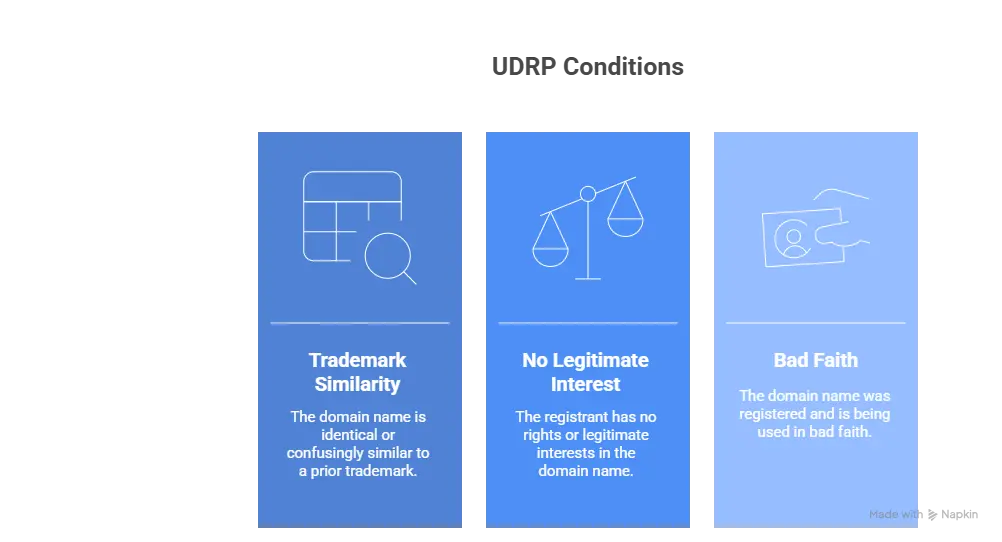
This Policy applies to <.CN> and <.中国>domain names that are identical or confusingly similar, not only to a mark, but to any “name” in which the complainant has civil rights or interests (.CN Policy, article 8(a)), whereas the UDRP is limited to the protection of trademark rights.

It is sufficient for the complainant to prove that either registration or use of the disputed domain name is in bad faith, whereas the UDRP requires the complainant to prove both elements.

The appeal jurisdiction belongs to the Courts of China or the arbitration Chinese institution, and the proceedings language will be Chinese (unless otherwise agreed by the parties or determined by the Panel).

This adds to the over 75 other ccTLDs for which trademark owners can rely on WIPO’s dispute resolution services.

Read More

Caudalie prevails against 1001Pharmacies: Can trademark prohibit sales on marketplaces?

Introduction

The decision rendered in the case between Caudalie and 1001Pharmacies marks a significant milestone in French selective distribution law. By holding that Caudalie was entitled to prohibit the platform 1001Pharmacies from marketing its products, the French Supreme Court and, on remand, the Paris Court of Appeal clarified the conditions under which a trademark owner may exercise strict control over the online distribution of its products.

This case, at the crossroads of trademark law, competition law, and distribution law, remains a key reference for companies seeking to control their digital strategy.

Selective distribution and trademark image: a structured legal balance

From an economic perspective, a trademark serves as a rallying sign for consumers. A consumer purchasing a product under a specific trademark expects a certain level of quality, consistency, and trademark universe. This dimension is particularly significant for products positioned in the premium segment or comparable to luxury goods.

To preserve this coherence, companies frequently rely on selective distribution networks, a contractual mechanism permitted under competition law provided that reseller selection is based on objective, qualitative criteria applied uniformly and proportionately, as clearly reaffirmed by the Paris Court of Appeal in its July 13, 2018 decision.

Selective distribution thus enables control over sales conditions, advice provided to customers, and product presentation, including online.

Background of the case: a landmark dispute

Caudalie, a French cosmetics trademark, structured the commercialization of its products through a selective distribution network, the legality of which had been recognized by the French Competition Authority.

This network was based on two distinct types of agreements: one governing in-store distribution within pharmacies, and another authorizing distance selling via the Internet, but exclusively through the approved pharmacist’s own website. Sales via third-party platforms or marketplaces were expressly excluded under the contractual terms.

The emergence of the platform 1001Pharmacies.com, operated by eNova Santé and offering pharmacists a shared space to sell their products, led Caudalie to challenge the presence of its products on the site on the grounds that it undermined the integrity of its selective distribution network.

As early as 2014, Caudalie initiated summary proceedings against eNova Santé for a manifestly unlawful disturbance resulting from the breach of its network, which led to an initial order requiring the removal of the products.

However, the Paris Court of Appeal subsequently held that a general prohibition on the use of non-approved platforms could constitute a restriction of competition. This decision was overturned by the French Supreme Court on September 13, 2017, which recognized Caudalie’s right to prohibit the sale of its products on 1001Pharmacies.com, thereby referring the matter back to the Paris Court of Appeal.

The French Supreme Court’s position: recognition of a manifestly unlawful disturbance

In its decision of September 13, 2017, the French Supreme Court held that the Court of Appeal had deprived its decision of a legal basis by failing to justify how administrative decisions or other references could exclude the existence of a manifestly unlawful disturbance resulting from the infringement of Caudalie’s selective distribution network.

The Court therefore acknowledged that Caudalie was entitled to prohibit the sale of its products on a non-approved online platform on the grounds that such sales undermined the effectiveness of its selective network, which had previously been validated by the Competition Authority.

This decision firmly reiterated that, where a selective distribution network is lawful, the trademark owner’s contractual freedom prevails over a superficial assessment of a potential restriction of competition, provided that the selective criteria are implemented consistently with the intended objective.

The prohibition confirmed by the Paris Court of Appeal

Following the remand, the Paris Court of Appeal, in its July 13, 2018 decision, applied the principles established by European case law, notably the Coty judgment (CJEU, December 6, 2017, C-230/16). This decision states that the establishment of a selective distribution network for luxury goods may be justified by the need to preserve their image and sense of luxury, which enable consumers to distinguish them from other comparable products and therefore contribute to the very quality of these products.
Thus, in order to validate the prohibition’s compliance with European Union law, the Paris Court of Appeal held that:

– Caudalie products fall within categories comparable to luxury goods, whose perceived quality depends not only on their intrinsic characteristics but also on their presentation, commercial environment, and associated image.

– The agreements concluded with pharmacists set out objective, uniform, and non-discriminatory criteria, particularly regarding online sales, which were strictly reserved for the pharmacist’s own website meeting specific conditions.

– The prohibition imposed on approved pharmacists against the visible use of third-party platforms for online sales was proportionate to the objective of preserving trademark image and did not go beyond what was necessary to achieve that objective.

The Court noted, for example, that 1001Pharmacies.com offered Caudalie products alongside goods unrelated to the dermocosmetic universe (such as fire alarms or video surveillance cameras), which was likely to undermine the prestige image sought by the trademark.

évolution case caudalie

Scope of the decision

While this decision confirms established case law according to which only an objective justification may legitimize a sales prohibition within a selective distribution network, an important nuance must be emphasized.

The decision demonstrates that a case-by-case analysis is required, particularly where a company restricts its distribution network for image-related reasons. The assessment of what may or may not harm trademark image inevitably involves a degree of subjectivity.

Conclusion

The Caudalie case is a structuring decision for companies operating under selective distribution networks. It demonstrates that French law, in alignment with EU law, provides trademark owners with effective tools to preserve the integrity of their trademark image and the consistency of their online commercial strategy.

Dreyfus & Associés assists clients in managing complex intellectual property matters, providing tailored advice and comprehensive operational support for the full protection of intellectual property rights.

Dreyfus & Associés works in partnership with a global network of intellectual property attorneys.

Nathalie Dreyfus, with the support of the entire Dreyfus team.

Q&A

What is a selective distribution network?
A selective distribution network is a system whereby a trademark selects its distributors based on specific criteria (quality of the point of sale, staff training, product presentation, compliance with trademark image) and prohibits them from reselling to non-approved distributors. This mechanism is lawful under EU law provided that the criteria are objective, applied uniformly, and proportionate. It enables the trademark to preserve its image and ensure quality standards in the marketing of its products, including online.

Would the solution be different for non-premium products?
Potentially, yes. The Coty case law emphasized the need to preserve the image of luxury or luxury-like goods. Where a product does not have a qualitative dimension linked to its image or sales environment, the justification for prohibiting marketplaces becomes more difficult.

For mass-market products, the proportionality of such a prohibition would be examined more strictly.

What practical advice can be given to trademark owners?
To secure a selective distribution network legally, it is advisable to formalize precise and measurable qualitative criteria, include specific clauses relating to online sales, ensure uniform and documented application, actively monitor platforms, and anticipate European regulatory developments (VBER, DSA). A rigorous contractual strategy remains the cornerstone of protection.

What is the difference between “visible” and “invisible” sales via a marketplace?
European case law distinguishes between visible presence on a marketplace (where the consumer clearly identifies the platform) and technical solutions where the marketplace is not identifiable to the end customer. In the Coty judgment, the CJEU considered that the prohibition concerned the “visible” use of third-party platforms. This distinction may be decisive: if the consumer is unaware of a third party’s involvement, harm to trademark image may be more difficult to establish.

What strategic lessons can companies learn from this case law?
This case highlights the importance of a consistent legal strategy. Companies wishing to control the distribution of their products must structure their network with clear criteria, formalize specific rules for online sales, and actively monitor compliance with these obligations. A rigorous contractual policy and constant monitoring of platforms help limit the risk of circumvention and preserve brand value.

Read More