Nathalie Dreyfus

Reform of European plant variety rights: what changes can be expected from the evaluation launched by the European Commission?

Introduction

In 2026, the European Union launched a comprehensive evaluation of the Community plant variety rights system, which has been the cornerstone of the protection of plant innovations for nearly thirty years. This process could pave the way for a major reform of the European plant breeders’ rights regime, with direct consequences for plant breeders, seed companies and the entire agri-food chain.

As European agriculture faces structural challenges (climate change, food security, the ecological transition and biotechnological developments), the European Commission aims to determine whether the current legal framework remains fit for purpose. This strategic reflection comes at a time of rapid evolution in plant breeding techniques and intensifying global competition.

The evaluation launched by the European Commission: objectives and methodology

A public consultation opened in 2026

On January 26, 2026, the European Commission officially launched a public consultation aimed at assessing the effectiveness of the Community plant variety rights system.

This consultation invites all stakeholders in the sector to share their experience and observations, including plant breeders, seed companies, farmers, research institutes, public authorities and civil society organisations.

Open for a twelve-week period until April 20, 2026, this initiative seeks to identify the strengths and weaknesses of the current framework, particularly Regulation (EC) No 2100/94, in order to determine whether it should be revised.

The evaluation criteria adopted by the Commission

In accordance with the European “Better Regulation” framework, the evaluation is based on five key criteria:

Effectiveness: assessing whether the system effectively protects breeders’ rights
Administrative efficiency: examining administrative costs for the Office (CPVO) and its users
Relevance: determining whether the system addresses modern challenges
Coherence: ensuring that the regime is consistent with other EU policies
Added value: measuring the benefits of an EU-level system compared with national regimes

criteria evaluation pvr

The analysis will notably focus on the 2011–2024 period in order to assess the sector’s evolution and the real impact of the system on agricultural innovation.

Possible reform scenarios for the plant variety rights regime

Although the Commission has not yet presented a legislative proposal, several possible reform directions can already be identified.

Modernisation of administrative procedures

One potential avenue concerns the simplification of the plant variety rights application process.
Industry stakeholders notably mention:

• Full digitalisation of procedures before the CPVO
• Shorter examination timelines for varieties
• Harmonisation of practices among national examination offices

Such modernisation would aim to reduce administrative costs for breeders, particularly innovative SMEs.

Clarification of the farmer’s privilege

Another sensitive issue concerns the farmer’s privilege, namely the possibility for farmers to reuse part of their harvest as seed, even if it comes from protected varieties.

This exception, provided for under EU law, regularly sparks debate between:

• Farmers, who favour maintaining this right
• Breeders and seed companies, who seek stronger protection for their varieties

A reform could clarify the conditions of this exception in order to reduce legal disputes.

Integration of new breeding techniques

Biotechnological innovation represents a central challenge. Modern breeding techniques, such as genome editing , new genomic techniques (NGTs), and the use of artificial intelligence in breeding programmes, raise questions about the adequacy of the current plant variety protection framework.
The European Union may also seek to clarify the relationship between plant variety rights and patents covering biotechnological inventions, a particularly sensitive issue for the seed industry.

Strategic implications for breeders and seed companies

Increasing global competition

The global seed market is currently dominated by a limited number of major international groups.

In this context, reforming the European framework could:

• Strengthen the competitiveness of European breeders
• Secure research investments
• Improve legal protection against international competition

A lever for the agricultural transition

New plant varieties, particularly those developed using new genomic techniques (NGTs), play a key role in the ecological transition of agriculture. They notably enable:

• The development of disease-resistant varieties
• Crops adapted to climatic stress
• Reduced pesticide use

Plant variety rights therefore constitute a strategic legal tool to support the objectives of the European Green Deal and the Farm to Fork strategy.

Conclusion

The evaluation currently conducted by the European Commission marks a key step in the evolution of plant variety rights in Europe. The results of the consultation are expected to be published in an evaluation report, which could lead to a revision of the founding 1994 Regulation.

For companies operating in the seed sector, this reform represents both a major legal challenge and a strategic opportunity for agricultural innovation.

The coming years will therefore be decisive in defining the balance between breeders’ protection, food sovereignty and the sustainability of European agriculture.

Dreyfus & Associés assists its clients in managing complex intellectual property cases, offering personalized advice and comprehensive operational support for the complete protection of intellectual property.

Dreyfus & Associés works in partnership with a global network of attorneys specializing in Intellectual Property.

Nathalie Dreyfus with the support of the entire Dreyfus team.

Q&A

What are the main challenges currently facing the European plant variety rights system?
Among the main challenges are the rapid evolution of breeding technologies, the need to support agricultural innovation, international competition in the seed sector and the search for a balance between the interests of breeders and those of farmers.

Could the reform modify the procedures for protecting plant varieties?
An evolution of the legal framework could lead to modernised administrative procedures, including the digitalisation of applications and improved cooperation between national and European offices.

What impact could a reform of European plant variety rights have on the seed sector?
A reform could alter the balance between breeders’ protection and farmers’ rights, while influencing conditions for innovation and investment in plant breeding. It could also strengthen the competitiveness of European companies and support the development of new varieties adapted to climate and agricultural challenges.

How can companies anticipate a potential reform of the European system?
Industry stakeholders should closely monitor the work of the European Commission, participate in public consultations and adapt their intellectual property strategies accordingly. Active legal and regulatory monitoring can help anticipate changes to the protection framework and secure investments in plant breeding.

Is the European plant variety rights system aligned with international rules?
Yes. The European regime is part of the international framework governing plant variety protection, particularly the UPOV Convention, which ensures a certain level of consistency between protection systems across different countries.

This publication is intended to provide general guidance and highlight certain issues. It does not aim to address specific situations and should not be considered legal advice.

Read More

How does an unfair competition action make it possible to overcome the limitations of traditional procedures in domain name disputes?

Introduction

Unfair competition, based on Article 1240 of the French Civil Code, is sometimes perceived as a generalist action, whose implementation can be delicate due to the requirement to demonstrate a fault, a prejudice and a causal link.

This flexibility, often criticized, nevertheless constitutes its main strength: unfair competition remains almost always mobilizable, provided that there is an infringement on the normal play of competition and this, regardless of the field concerned.

The functional limitations of traditional procedures according to the configuration of the dispute

  • Trademark law

Trademark law is a central instrument for the protection of distinctive signs. It is however based on the existence of valid, registered and enforceable prior rights, as well as on an analysis structured around the goods and services concerned.

However, litigation practice reveals many situations in which these conditions do not allow for an effective understanding of digital breaches.

Some domain names indeed exploit unregistered signs while other disputes involve operators outside the field of specialty covered by the trademark, while taking unfair advantage of the economic value of the sign.

Moreover, the unfair competition action has the advantage of not subordinating protection to the distinctive character of the domain name. It makes it possible to sanction the wrongful use of a name, as soon as it produces an adverse economic effect on a competing operator, regardless of the nature of the sign.

In these configurations, the strictly formal analysis of trademark law shows its limits. The action in unfair competition then allows to refocus the debate on the economic reality of behaviors, by sanctioning the concrete effects produced on the market, regardless of classifications or labels.

  • UDRP procedures and related mechanisms

UDRP procedures and related mechanisms offer a quick and operational response to domain name conflicts. Their effectiveness, however, relies on a deliberately limited normative framework, focused on precise and cumulative criteria.

These procedures do not allow for the award of damages, nor the overall understanding of structured digital parasitism strategies, particularly when they are sustainable or involve a plurality of domain names, mirror sites or communication channels. Where the UDRP requires a standardized demonstration of bad faith, unfair competition makes it possible to understand the entire economic behavior, its effects on the market and the harm suffered.

For more information about the UDRP procedure, please refer to our previously published guide.

The conditions of the unfair competition action applied to domain names

Unfair competition is based on a now well-established triptych: a fault, a harm and a causal link.

  • The characterization of the fault

The fault can take several forms, frequently retained by the courts:

  • Economic parasitism, notably through the registration or exploitation of a domain name in the economic wake of an established player, in order to unduly profit from its investments.
  • Risk of confusion: The case law indicates that regardless of the existence of a private right and any requirement of distinctiveness, unfair competition can be considered as soon as the use of a second domain name creates, in a competitive context, a risk of confusion with a domain name previously exploited. (Court of Cassation, civil, Commercial Chamber, October 13, 2021 No.19-23.597)
  • Diversion of traffic through imitation of architecture, content or editorial line

Contrary to certain administrative procedures focused on the ownership of rights, unfair competition focuses on the effect produced on the public.

  • The prejudice and the proof of the commercial disturbance

The actual harm does not have to be quantified in an exhaustive manner. Judges widely admit the demonstration of a commercial disturbance, loss of chance or damage to the image, in particular when the disputed domain name unduly captures part of the traffic or alters the public perception as to the origin of the services offered.

Strategic articulation of the different foundations

An action based on unfair competition is neither a recourse in principle nor a legal remedy superior to other available mechanisms for disputes relating to domain names. It is part of a range of complementary legal tools, the mobilization of which must be assessed in light of the specific circumstances of each case.

Depending on the configuration of the dispute, the nature of the rights invoked, the behavior of the domain name holder and the objectives pursued, an action based on trademark law or an extrajudicial procedure such as UDRP can offer a fully satisfactory response, especially when the impairment is circumscribed and clearly characterized.

Unfair competition is relevant when the analysis reveals actions that are not apprehended by a strictly formal reading of the sign, but reflect an overall economic behavior.

panorama unfair competition

Conclusion

Unfair competition does not respond to all domain name conflicts, but it remains an option of general application when a behavior reveals a faulty economic behavior.

Based on tort liability, it offers a flexible and transversal reading grid, allowing to assess situations on a case-by-case basis, taking into account the reality of uses and their effects on the market.

Dreyfus & Associates assists its clients in managing complex intellectual property cases, offering personalized advice and comprehensive operational support for the complete protection of intellectual property.

Dreyfus & Associés works in partnership with a global network of attorneys specializing in Intellectual Property.

Nathalie Dreyfus with the support of the entire Dreyfus team

FAQ

1. Can we act in unfair competition without being a direct competitor of the domain name holder?
Yes. The case-law accepts that the existence of a direct competitive relationship is not always required where the conduct in question disrupts normal market activity or causes an identifiable economic disturbance.

2. Must an intent to harm be demonstrated to characterize unfair competition?
No. Unfair competition is a strict civil liability: intent is not required. Only the faulty character of the behavior and its economic effects count.

3. Does a subsequent change of domain name make the fault disappear?
No. The cessation of actions does not retroactively erase the fault or the harm already caused. It can however be taken into account in the assessment of damages

4. Does unfair competition allow the domain name to be transferred?
In principle, an unfair competition action does not allow the direct transfer of a domain name to be ordered. On the other hand, the judge may order measures of cessation or prohibition on a periodic basis, which may lead, in practice, to the abandonment or deactivation of the disputed domain name.

5. Can unfair competition be retained in the absence of proven confusion?
Yes. As regards unfair competition, certain behaviour, in particular economic parasitism, may be sanctioned independently of any risk of confusion, insofar as it reflects an improper appropriation of investments or the reputation of an operator.

The purpose of this publication is to provide general guidance to the public and to highlight certain issues. It is not intended to apply to particular situations or to constitute legal advice.

Read More

Opposition to trademark registration: to what extent do the conditions under which trademarks are used influence the assessment of the likelihood of confusion?

Introduction

In its decision Monster Energy Company v. Onyx of November 13,  2025 (n° 23-11.522), the French Supreme Court (Cour de cassation) clearly reaffirmed a guiding principle of French trademark law: the likelihood of confusion must be assessed on the basis of the signs as filed and the goods or services as designated in the registrations or applications, without taking into account the actual conditions under which the trademarks are used on the market.

In the specific context of opposition proceedings, the Court recalled that the analysis must remain tied to the industrial property title itself, rather than to the commercial, graphic, or promotional choices effectively implemented by the operators.

The ruling therefore falls within a longstanding and coherent line of case law, previously established in matters of trademark infringement, invalidity actions, and comparison of signs.

Background of the dispute: an opposition between “THE BEAST” and “La Bête”

The company Monster Energy Company, notably the owner of the European Union word trademarks REFRESH THE BEAST! and HYDRATE THE BEAST!, registered for beverages, filed an opposition against the application for registration of the semi-figurative sign La Bête BIÈRE DE CARACTÈRE, which designated, among other things, beer, mineral water, and fruit juices.

The litigation concerned goods that were at least partially identical or similar, in a sector where the overall perception of the signs plays a decisive role.

The Director General of the French Trademark Office (INPI) initially found the opposition partially justified. However, the Versailles court of appeal subsequently annulled that decision.

To rule out any likelihood of confusion, the Court of Appeal found that the visual, phonetic, and conceptual similarities between the signs were relatively weak. It further held that the figurative elements of the contested sign, particularly its graphic presentation, colors, and visual impact on store shelves, gave the sign a distinctive appearance capable of excluding any likelihood of confusion in the mind of the consumer.

It is precisely this method of analysis that the French Supreme Court censured.

The decision of the French Supreme Court: a twofold censure

The Cour de cassation overturned the reasoning of the Versailles Court of Appeal for two reasons.

The Court reiterated that the likelihood of confusion is assessed primarily in relation to the signs as filed and the goods or services as designated in the registrations or applications for registration, regardless of the specific terms of commercial exploitation of the trademarks.

In the present case, by emphasizing that the beverages were primarily chosen on store shelves and that the visual aspect of the packaging played a decisive role for consumers, the Court of Appeal departed from this methodological framework.

This approach is consistent with well-established case law. In trademark infringement matters, the Supreme Court reaffirmed the same principle in the decision Palladium of June 28, 2023 (n°22-10.759) , as well as in the significant decision Cora of March 27, 2019 (n°17-31.605). In each of these cases, the Court held that conditions of commercialization, the actual customer base, or marketing positioning are irrelevant to the assessment of the likelihood of confusion.

décision cour cassation

The scope of the rule at the stage of comparing the signs

Another key contribution of the November 13, 2025 decision lies in clarifying the distinction between comparison of the signs and global assessment of the likelihood of confusion.

For instance, the Tour de France decision of March 19, 2025 (n° 23-18.728) may be compared with the Monster Energy case. In that matter, the French Supreme Court censured a decision where the Court of Appeal had taken into account the well-known exploitation of the earlier trademark in connection with a cycling competition when comparing the signs.

The Supreme Court held that by considering how the public actually associated the trademark with a specific sporting event, the Court of Appeal had departed from a comparison based solely on the intrinsic characteristics of the signs.

In both cases, the Supreme Court refused to allow the analysis to shift toward external elements unrelated to the trademark registration, such as:

  • the particular reputation of the trademark arising from its use,
  • the presentation of the product on retail shelves,
  • or the actual packaging of the goods.

The position of the CJEU: a more nuanced approach

European case law adopts a slightly different approach. The Court of Justice of the European Union (CJEU) clarified in a decision of March 4, 2020 (C-328/18 P) that conditions of commercialization may constitute a relevant factor in the overall assessment of the likelihood of confusion.

However, these elements may intervene only at a specific stage of the analysis. The CJEU emphasizes that the comparison of the similarity between signs must be carried out exclusively on the basis of their intrinsic characteristics.

Thus, while conditions of commercialization may be considered in the overall assessment of the likelihood of confusion, they cannot influence the comparison of the signs themselves.

Conclusion

The decision of November 13, 2025 provides a new illustration of the methodological rigor adopted by the French Supreme Court in assessing the likelihood of confusion.

By reaffirming that this assessment must be conducted independently of the conditions under which trademarks are used, the Court confirms a structuring principle of French trademark law: the protection of a trademark is determined primarily by its registration in the register, rather than by the way it is exploited on the market.

For businesses, this case law highlights the importance of a rigorous trademark filing and protection strategy, based on a thorough prior-rights analysis and carefully drafted specifications of goods and services.


Dreyfus assists its clients in managing complex intellectual property matters by providing tailored advice and comprehensive operational support to ensure the full protection of intellectual property rights.

Dreyfus Law Firm works in partnership with a global network of intellectual property attorneys.

Nathalie Dreyfus, with the assistance of the entire Dreyfus team.


Q&A


1. What is the difference between opposition proceedings and a trademark infringement action?

Opposition is a preventive administrative procedure aimed at preventing the registration of a new trademark that would infringe prior rights. It takes place before the trademark is registered. By contrast, a trademark infringement action is a judicial procedure brought after a sign has been registered or used, in order to sanction an infringement of trademark rights.

2. Who can file an opposition to a trademark application?

An opposition may be filed by the holder of a protected prior right. This may include a registered trademark, a European Union trademark, an international trademark designating France, a company name, a trade name, a domain name, or even a geographical indication, provided that these rights are capable of creating a likelihood of confusion with the applied-for trademark.

3. Is the assessment of likelihood of confusion the same in French law and EU law?

The French Supreme Court traditionally adopts a strict approach, emphasizing that the analysis must rely on the trademarks as registered and the goods or services as designated in the filings. The CJEU, for its part, accepts that certain elements relating to the commercial context may be considered in the overall assessment of the likelihood of confusion, without affecting the intrinsic comparison of the signs.

4. Is the likelihood of confusion assessed in the same way across all economic sectors?

No. The assessment of likelihood of confusion takes into account the level of attention of the relevant public, which may vary depending on the goods or services concerned. For example, consumers generally exercise greater attention when purchasing technical or expensive products than when buying everyday consumer goods.

5. Does the absence of opposition mean that a trademark does not infringe any prior rights?

No. The absence of opposition does not guarantee the definitive validity of a trademark. A registered trademark may still be challenged later through infringement proceedings or an invalidity action based on prior rights. For this reason, companies should conduct thorough prior art searches before filing a trademark application.


This publication is intended to provide general guidance to the public and to highlight certain issues. It is not intended to apply to specific situations or to constitute legal advice.


Read More

How to secure the choice of a plant variety denomination ? CPVO rules, risks of refusal and conflicts with trademarks

Introduction

Choosing a plant variety denomination constitutes a strategic legal step in the procedure for obtaining plant variety rights. It has lasting implications for the identification, commercialization and valorization of a plant variety on the market.

Too often treated as a mere administrative formality, the denomination actually lies at the intersection of plant variety rights law, trademark law, and competition law.

The issue is therefore not purely regulatory. It also involves economic, reputational and international considerations. This article provides a structured analysis of the applicable rules, the risks of refusal and potential conflicts with trademarks, incorporating the key lessons from the “WILD PINK” / “PINK LADY” case.

The legal function of the plant variety denomination

A plant variety denomination is the official identifier of a plant variety protected under a plant variety right certificate. It must be used by any operator marketing the plant variety within the European Union.

Unlike a trademark, a plant variety denomination does not confer any exclusive right of use. It constitutes the generic designation of the plant variety and cannot be monopolized by an operator or appropriated as a proprietary distinctive sign. Its primary purpose is to ensure market transparency and the clear identification of plant material.

This public interest function explains the neutrality requirements surrounding its selection, as well as the prohibition of adopting a denomination that may create confusion with another plant variety or trademark, or mislead the public.

Validity criteria : lawfulness, distinctiveness and neutrality

The denomination must clearly distinguish itself from any other plant variety of the same species or closely related species. A simple spelling variation or minor modification is not sufficient to eliminate the risk of confusion.

It must not suggest an inaccurate geographical origin nor attribute particular qualities to the plant variety that have not been demonstrated. Laudatory or promotional references are generally rejected, as they undermine the neutrality expected from a regulatory identifier.

Frequent grounds for refusal by the CPVO

The examination of a plant variety denomination aims to ensure that it properly fulfills its function of identifying the plant variety. Competent authorities may refuse a denomination that does not meet the criteria established by the UPOV Convention.

The most common ground for refusal concerns similarity with an existing plant variety denomination. The proposed denomination must be clearly distinguishable from any denomination already used for a plant variety of the same species or a closely related species. Even a minimal spelling difference may be considered insufficient if the phonetic similarity could create confusion between varieties.

A denomination may also be refused if it is misleading or descriptive. The denomination must not mislead users as to the characteristics, value or identity of the plant variety. For example, a denomination suggesting a characteristic that the plant variety does not possess, or presenting the plant variety as superior to others, may be considered inappropriate.

Denominations that falsely suggest a connection with another plant variety may also be rejected. A denomination may be considered misleading if it suggests that the plant variety is derived from a well-known plant variety when that plant variety was not actually used in the breeding process.

Finally, a denomination may be refused where it infringes prior rights held by third parties, such as trademarks, trade names, geographical indications or other protected signs. In such cases, the breeder may be required to propose a new denomination in order to avoid legal conflicts when the plant variety is commercialized.

These different grounds for refusal illustrate that the choice of a plant variety denomination cannot be considered in isolation. It operates within a broader legal environment in which plant variety denominations often coexist with distinctive signs used for marketing purposes. This interaction raises the broader question of the relationship between plant variety denominations and trademark strategies.

The strategic articulation between plant variety denominations and trademarks

The rules governing plant variety denominations pursue a public interest objective: ensuring the clear and reliable identification of plant varieties on the market. In this context, the plant variety denomination must constitute the generic designation of the plant variety and remain freely usable by all operators marketing it. It cannot therefore fulfill a distinctive function comparable to that of a trademark.

This explains why authorities examining plant variety denominations pay particular attention to risks of confusion and potential infringements of prior rights. A denomination may therefore be refused if it is too similar to an existing plant variety denomination, if it is misleading regarding the characteristics of the plant variety, or if it conflicts with a prior right such as a trademark or trade name.

In practice within the horticultural and agricultural sectors, this requirement leads to a clear distinction between two levels of designation: the plant variety denomination, which enables the botanical and regulatory identification of the plant variety, and the trademark, which serves as the main tool for commercial differentiation.

The example of the Cripps Pink apple plant variety, marketed under the trademark Pink Lady, illustrates this model. The plant variety denomination fulfills a technical identification function and must be used in the marketing of plant material, while the trademark supports the marketing strategy and creates a distinct commercial identity.

This dual structure requires breeders to adopt a strategic approach from the moment the denomination is chosen. A denomination that is too close to an existing trademark may lead to refusal based on prior rights or later create difficulties when the plant variety is commercialized.

In this context, securing a plant variety denomination requires not only verifying its availability in international plant variety databases but also anticipating possible interactions with existing distinctive signs in the relevant sector. Early coordination between the plant variety denomination strategy and the trademark strategy helps limit legal risks and ensures a more secure market launch for the plant variety.

separating variety trademark

Illustration : the “WILD PINK” / “PINK LADY” dispute

The interaction between naming strategies and trademark rights can be illustrated by the dispute involving the sign WILD PINK and the Pink Lady trademarks, which are widely known in the apple sector.

In this case, the competent authorities were required to assess the likelihood of confusion between the signs, particularly due to the shared element “pink” and the overall impression produced by the trademarks on the relevant public. The analysis relied on the traditional criteria of trademark law, including visual and phonetic similarity, consumer perception and the distinctiveness of the elements composing the trademarks.

Although this dispute falls primarily within the scope of trademark law, it highlights a strategic issue that is directly relevant for breeders. In the horticultural sector, certain terms may become strongly associated with well-established trademarks. Using a similar term when marketing a new plant variety may therefore give rise to legal challenges capable of affecting the commercialization strategy.
This situation demonstrates that securing a plant variety denomination should not be considered independently from the trademark strategy that will accompany the marketing of the plant variety. Conducting a prior analysis of the trademark landscape within the relevant sector is therefore essential to avoid conflicts with already established distinctive signs.

Conclusion

The choice of a plant variety denomination is not merely an administrative formality but a strategic decision that must be assessed in light of the applicable legal rules and the broader landscape of prior rights, particularly trademarks.

Dreyfus & Associés assists its clients in managing complex intellectual property matters by providing tailored advice and comprehensive operational support for the full protection of intellectual property rights.

Dreyfus & Associés works in partnership with a global network of specialized intellectual property lawyers.

Nathalie Dreyfus with the support of the entire Dreyfus team.

Q&A

1. What is a plant variety denomination ?
A plant variety denomination is the official name assigned to a plant variety that is protected or subject to an application for a plant breeder’s right. It serves to identify the plant variety and must be used when marketing its reproductive or propagating material.

2. What are the main criteria for choosing a plant variety denomination ?
The denomination must clearly identify the plant variety, be distinct from existing denominations for varieties of the same or related species, and must not be misleading regarding the characteristics, origin or value of the plant variety.

3. Can a plant variety denomination be refused ?
Yes. Competent authorities, such as the Community Plant Variety Office (CPVO), may refuse a denomination if it is too similar to an existing plant variety denomination, if it is misleading, or if it infringes a prior right such as a trademark or protected geographical indication.

4. What is the difference between a plant variety denomination and a trademark ?
A plant variety denomination constitutes the generic designation of the plant variety and does not confer any exclusive right. By contrast, a trademark is a distinctive sign used to differentiate products commercially on the market. In the horticultural sector, a plant variety may therefore have a plant variety denomination while being marketed under a trademark.

5. How can the choice of a plant variety denomination be secured ?
Before proposing a denomination, it is advisable to conduct searches in databases of existing varieties, including those derived from the UPOV system, as well as in trademark databases in order to identify potential prior rights. Coordinating the plant variety denomination strategy with the trademark strategy can also help reduce the risk of refusal or conflict during commercialization.

This publication is intended to provide general guidance to the public and to highlight certain issues. It is not intended to apply to specific situations or to constitute legal advice.

Read More

The future of ICANN: what strategic directions for Internet governance?

Introduction

The future of ICANN represents a strategic issue for the entire global digital ecosystem. Entrusted with coordinating the Internet’s unique identifiers, including domain names and IP addresses, the Internet Corporation for Assigned Names and Numbers (ICANN) occupies a singular institutional position: ensuring the stability, security, and interoperability of the Domain Name System (DNS).

The landscape of Internet governance is shaped by several converging dynamics.: the expansion of new generic top-level domains (gTLDs), international debates surrounding digital governance, the emergence of decentralized technologies, and the evolving framework of global digital regulation.

For corporations, trademark holders, and technology stakeholders, understanding these developments is essential in order to anticipate the evolution of domain name law and global Internet governance frameworks.

Why is the future of ICANN strategic for global internet governance?

The future trajectory of ICANN extends far beyond the mere technical administration of domain names. The organization plays a fundamental role in the global coordination of Internet infrastructure.

In practical terms, ICANN is responsible for several critical functions, including:

This architecture ensures the uniqueness and interoperability of digital identifiers, which constitutes an essential condition for the proper functioning of the global Internet.

In a context marked by the rise of digital sovereignty policies, the growing prevalence of cyber threats, and the emergence of decentralized identification systems, ICANN’s mission assumes an increasingly strategic dimension. Its role is becoming central to ensuring the stability and coordination of the domain name system within a rapidly evolving digital environment.

ICANN’s major strategic directions toward 2030

In order to anticipate the transformations affecting the Internet ecosystem, ICANN has adopted a Strategic Plan covering the period 2026–2030. This framework is built around several structural priorities designed to ensure the long-term sustainability of the domain name system.

  • Preserving a single and interoperable internet

One of ICANN’s foundational principles is the preservation of a single global Internet, thereby preventing technical fragmentation.

This objective relies in particular on the centralized coordination of the Domain Name System (DNS) root, which ensures the universal compatibility of domain names on a global scale, as well as on close cooperation among the various technical operators and stakeholders within the Internet ecosystem.

In this context, the potential fragmentation of the Internet sometimes referred to as the “splinternet” currently as one of the most significant risks to the global digital ecosystem.

  • Strengthening DNS security and resilience

The DNS constitutes a critical global infrastructure. Any compromise of this system could result in significant disruptions to the accessibility of digital services.

ICANN therefore pursues several objectives:

  • Promoting the adoption of the DNSSEC protocol,
  • Improving RDAP protocol,
  • Strengthening the resilience of registries and registrars.

This approach reflects a broader strategy of proactive risk management.

  • Enhancing institutional transparency and accountability

ICANN’s governance framework is grounded in a fundamental principle: accountability to the global Internet community.

Several mechanisms guarantee this transparency:

These mechanisms contribute to the institutional legitimacy of ICANN’s governance model.

The next expansion of domain names: the Next Round of New gTLD

One of the most significant developments in ICANN’s evolution will be the launch of a new round of generic top-level domains (gTLDs).

The application window is expected to open on 30 April 2026, marking the first major expansion of the DNS since the 2012 round.

The initiative pursues several structural objectives:

  • Increasing competition in the domain name space
  • Promoting linguistic and cultural diversity
  • Stimulating digital innovation
  • Creating new branding opportunities
  • Registry Service Provider evaluation program (RSP)

In practice, the vast majority of new gTLD applicants do not manage the technical infrastructure of the registry themselves. They rely on technical registry operators, known as Registry Service Providers (RSPs).

As part of the next cycle, ICANN has introduced a major innovation: the implementation of a program to evaluate technical registry operators.

This mechanism aims to:

  • Assess the technical capabilities of registry operators prior to application submission,
  • Ensure the technical stability of the DNS,
  • Reduce operational risks associated with the introduction of new TLDs.

This approach reflects institutional learning derived from the 2012 expansion round.

  • Applicant Support Program (ASP)

In order to promote more balanced participation in the new gTLD program, ICANN has established the Applicant Support Program (ASP).

This initiative aims to facilitate access to the application process for certain stakeholders by providing, in particular, reduced application fees, technical and legal assistance, as well as access to pro bono expertise. Its objective is to enable broader participation by entities from developing countries, non-profit organizations, and communities that have historically been underrepresented within the Internet governance ecosystem.

objectives program gtld

  • Governance documents of the New gTLD Program

The Applicant Guidebook (AGB) and the Base Registry Agreement constitute two central governance documents within the framework of the new gTLD program. Developed through ICANN’s bottom-up decision-making process, they define both the requirements applicable to applicants seeking to operate a gTLD and the contractual obligations imposed on registry operators once an application has been approved. As the implementation of the program progresses, these documents continue to be refined and are subject to public consultations in order to further clarify and improve their provisions.

The multistakeholder model and international debates on internet governance

The multistakeholder model constitutes the defining institutional feature of ICANN.

Unlike a purely intergovernmental governance framework, this model relies on the simultaneous participation of multiple categories of stakeholders, including governments, the private sector, civil society, the technical community, and academia. This approach seeks to ensure a more open and inclusive form of Internet governance, based on cooperation among the various stakeholders within the digital ecosystem.

Furthermore, the World Summit on the Information Society recently reaffirmed the relevance of this collaborative approach.

The conclusions of this international summit emphasize:

  • The necessity of open international cooperation,
  • The importance of stakeholder participation,
  • The need for transparent and inclusive governance.

For ICANN, these outcomes reinforce the institutional legitimacy of its governance framework.

Technological developments shaping the future of the DNS

ICANN’s evolution cannot be analyzed without considering the rapid expansion of digital technologies.

  • The emergence of decentralized naming systems

The evolution of ICANN cannot be analyzed without taking into account the rapid development of digital technologies. Among the most significant transformations is the emergence of decentralized naming systems, such as blockchain-based domain names, decentralized digital identity solutions, and certain architectures associated with Web3.0.

These technologies seek to introduce alternative models for the management and resolution of Internet identifiers by reducing reliance on centralized coordinating authorities.

These solutions seek to reduce reliance on centralized authorities. However, they raise several critical questions:

  • Compatibility with the global Internet architecture,
  • Security of digital identifiers,
  • Technical interoperability.

ICANN continues to monitor these developments closely while maintaining its priority on preserving the integrity of the global DNS.

  • Interactions with international digital regulation

Public policy frameworks also influence the evolution of the domain name ecosystem.

Among the legal frameworks indirectly influencing the DNS ecosystem are the General Data Protection Regulation (GDPR), cybersecurity legislation, and the growing number of digital sovereignty policies adopted by various States.

These regulatory developments require ICANN to strike a delicate balance between compliance with applicable legal requirements, the preservation of its technical neutrality, and the maintenance of the operational stability of the domain name system.

Conclusion

The future of ICANN extends beyond the expansion of domain names. It also depends on the organization’s ability to address several key challenges, including preserving the stability of the global DNS, safeguarding the multistakeholder model of Internet governance, adapting to technological innovations, and maintaining international trust in the mechanisms governing the Internet.

In an increasingly complex digital environment, ICANN remains a cornerstone of the global Internet infrastructure.  Firms that anticipate these developments will be better positioned to secure their digital assets and leverage the opportunities created by the expansion of the domain name system.

Dreyfus law firm assists its clients in managing complex intellectual property cases, offering personalized advice and comprehensive operational support for the complete protection of intellectual property.

Dreyfus law firm works in partnership with a global network of attorneys specializing in Intellectual Property.

Nathalie Dreyfus with the support of the entire Dreyfus team.

FAQ

1. Why does the expansion of gTLDs generate debate?
The expansion of the domain name space raises several concerns, including trademark protection, the management of domain name abuse and cybersquatting, the technical stability of the DNS, and the economic implications for the domain name market. Some stakeholders believe that the proliferation of extensions may dilute the value of traditional domain names.

2. Could governments eventually control ICANN directly?
This possibility is regularly discussed in international policy debates. Certain states advocate for a more intergovernmental governance model, particularly through institutions such as the International Telecommunication Union (ITU). However, such a shift could lead to increased politicization of Internet governance, which remains a concern for many actors within the technical community.

3. What is the difference between a ccTLD and a gTLD?
Top-level domains are divided into two principal categories: ccTLDs (country-code top-level domains), which are national extensions such as .fr, .de, or .jp. and gTLDs (generic top-level domains), which include extensions such as .com, .org, or .tech., ccTLDs are generally administered by national authorities or designated local organizations.

4. What is the DNSSEC protocol?
The Domain Name System Security Extensions (DNSSEC) protocol enables the authentication of DNS responses. It prevents certain attacks designed to redirect users toward fraudulent websites and is widely considered a cornerstone of global DNS security.

5. What is the RDAP protocol?
The Registration Data Access Protocol (RDAP) is the successor to the traditional Whois system. It provides structured data access, enhanced security, and improved compatibility with data protection regulations.

The purpose of this publication is to provide general guidance to the public and to highlight certain issues. It is not intended to apply to particular situations or to constitute legal advice.
Read More

Can the registration of a family name as a trademark constitute bad faith?

Introduction

Registering a surname as a trademark is a common practice in business. However, this strategy may give rise to disputes when the surname is already used by other economic actors.

The judgment delivered by the Commercial Chamber of the French Supreme Court (Cour de cassation) on November 13, 2025 (No. 24-14.355) provides important clarification regarding the notion of bad faith in the filing of a surname-based trademark and the analysis that courts must conduct.

The Supreme Court recalls an essential principle: the mere intention to protect a family name is not sufficient, by itself, to exclude bad faith on the part of the applicant. Courts must verify whether the filing reflects a genuine intention to use the trademark commercially and whether it was not carried out with the purpose of depriving a third party of a sign necessary for its business activity.

This decision forms part of established case law aimed at preventing the misuse of trademark law for anti-competitive purposes.

Registering a surname as a trademark: an accepted principle

French and European trademark law does not prohibit the registration of a surname as a trademark. A family name may constitute a distinctive sign provided it satisfies the usual validity requirements.
This practice is particularly widespread. Some of the most famous trademarks are based on surnames that have become distinctive identifiers of goods or services. A surname can therefore represent a strategic asset for a company, as it enables consumers to identify the commercial origin of a product while conveying a certain reputation.

However, this possibility may also be used opportunistically. In certain cases, the filing of a surname aims less at protecting a business activity than at preventing a third party from using the name or capturing the reputation associated with it. It is precisely in this context that the notion of bad faith plays a central role.

Background of the case: a family dispute over a surname

In this case, two brothers were carrying out competing activities in the carpentry sector. One of them had for several years operated a business using the trade name “Huynen Fermetures”, composed of the surname “Huynen” combined with the term “Fermetures”.

His brother managed another company bearing the same surname and had filed several trademarks incorporating this sign, including the trademark “Huynen Fermetures”.

Subsequently, the business assets operating under this trade name were transferred to a competing company. The latter continued to use the sign “Huynen Fermetures” in the course of its activities. The company owning the trademarks then initiated legal proceedings against it, alleging trademark infringement and acts of unfair competition.

In response, the defendant company challenged the validity of the trademarks and requested their transfer in its favor, arguing that the trademarks had been filed fraudulently and therefore in bad faith.

The Court of Appeal rejected this argument. The judges held that the filing of a trademark containing a surname could legitimately be motivated by the intention to protect one’s own family name. According to them, this circumstance alone was sufficient to rule out any fraudulent intent in the trademark filing.

The ruling of the French Supreme Court: judicial assessment of bad faith

The French Supreme Court partially overturned the decision of the Court of Appeal and criticized the lower court for failing to properly examine the issue of bad faith. More specifically, the Supreme Court held that the appellate judges should have examined several essential factors.

The sign filed did not consist solely of the surname

The disputed trademark did not merely consist of the surname “Huynen”, but also included the term “Fermetures”, which corresponded exactly to the trade name already used by another company.
The Supreme Court therefore considered that the lower court should have examined whether this choice revealed an intention to appropriate a sign already used in the market.

Knowledge of the prior use of the sign

The Supreme Court also emphasized that the filing company was aware of the existence of this sign in the course of trade.

Knowledge of the prior use of a sign by a third party constitutes an important indicator in the assessment of bad faith.

Failure to investigate the intention to use the trademark

The judgment particularly stresses a central issue: the lower courts should have verified whether the applicant genuinely intended to use the trademark.

The Court recalls that a filing may be considered fraudulent when:

• the applicant has never used the trademark,
• or when the applicant had no intention of using it at the time of filing.

According to European case law, particularly a judgment of the Court of Justice of the European Union of January 29, 2020, the absence of an intention to use may reveal bad faith.

bad faith trademark patronymic

Characterisation of bad faith in the absence of a specifically identified third party

Finally, the Court clarifies that bad faith does not necessarily require the applicant to have intended to harm a specific person. It is sufficient that the trademark filing was made for a purpose contrary to honest commercial practices, for example to obtain an unjustified monopoly over a sign.

The characterization of bad faith therefore becomes a decisive element in determining whether the action is admissible.

Courts must now genuinely examine:

• the existence of a real commercial project,
the actual or intended use of the trademark,
• the circumstances surrounding the filing.

A trademark filing made without a genuine intention to use the mark may be considered contrary to the essential function of a trademark.

Conclusion

This ruling constitutes an important decision in trademark law. The French Supreme Court reiterates that registering a surname as a trademark does not exclude the possibility of bad faith. Courts must conduct a concrete analysis of the circumstances surrounding the filing, particularly by examining whether there was a genuine intention to use the sign.

The decision confirms the courts’ willingness to sanction filings intended to block competitors or to appropriate a sign already used by others.

This approach aligns with European case law, according to which a trademark filing made for purposes unrelated to the functions of a trademark may constitute an act of bad faith.

Dreyfus & Associates assists its clients in managing complex intellectual property matters by providing tailored advice and comprehensive operational support to ensure the full protection of intellectual property rights.

Dreyfus Law Firm works in partnership with a global network of intellectual property attorneys.

Nathalie Dreyfus, with the assistance of the entire Dreyfus team.

Q&A

Can a surname or pseudonym be invoked against a trademark?
Yes, under Article L.711-3 of the French Intellectual Property Code, a person’s surname or pseudonym constitutes a prior right that may prevent the registration of a trademark. However, to rely on such a right, it must be demonstrated that the name was used in the course of trade at the time the trademark was filed and that there is a likelihood of confusion with the goods or services concerned.

Can the absence of trademark use constitute evidence of bad faith?
It may constitute a relevant indicator. In particular, if the applicant had no genuine intention to use the trademark at the time of filing, the absence of use may contribute to demonstrating a fraudulent strategy.

What is the time limit to act against a fraudulently filed trademark?
In principle, an action for ownership claim must be brought within five years from the publication of the trademark application. However, when the filing was made in bad faith, this limitation period does not apply, meaning that the action may be brought without time limitation.

What is the difference between an ownership claim action and an action for trademark invalidity?
An invalidity action seeks to cancel a trademark that has been registered improperly, whereas an ownership claim action allows the injured party to obtain the transfer of ownership of the trademark that was filed fraudulently.

Is bad faith assessed at the time of filing or afterwards?
Bad faith must be assessed at the time the trademark is filed, taking into account all the circumstances surrounding the filing.

This publication is intended to provide general information to the public and highlight certain legal issues. It is not intended to apply to specific situations nor to constitute legal advice.

Read More

Infringement of a Community plant variety right: Absence of exhaustion of rights

Introduction

The infringement of a Community Plant Variety Right (CPVR) raises particularly sensitive issues. Behind these technical terms often lie years of research, selection, and substantial investment. Council Regulation (EC) No 2100/94 grants the breeder an exclusive right valid throughout the European Union, enabling them to control the production, reproduction, and marketing of the protected plant material.

A recurring difficulty arises in practice: when a plant has been lawfully acquired, may it be freely propagated or commercially exploited without authorization? This raises a central legal question: can the doctrine of exhaustion of rights be invoked to defeat an allegation of infringement of a Community plant variety right? In the field of plant variety protection, the answer requires considerable caution. While European Union law recognizes the principle of exhaustion, its application in this area remains strictly circumscribed.

Understanding the boundary between lawful use and infringement of a Community plant variety right, as well as the limits of the exhaustion doctrine, is therefore essential in order to ensure the secure exploitation of a protected variety and to avoid litigation with potentially significant economic consequences.

What is the Community plant variety protection system?

Community plant variety right constitutes a sui generis industrial property right established by Council Regulation (EC) No 2100/94 and administered by the Community Plant Variety Office (CPVO), based in Angers.

Pursuant to Article 13 of the Regulation, it confers upon the breeder a unitary and exclusive right effective throughout the territory of the European Union. This right enables the breeder to authorise or prohibit the production, reproduction, conditioning for the purpose of propagation, offering for sale, marketing, export, import, or stocking for any of those purposes of propagating material of the protected variety.

The creation of a new plant variety requires years of selection, agronomic trials, genetic stabilization, and technical evaluation. Costs are substantial, biological cycles are lengthy, and the risk of failure is significant. In the absence of legal protection, third parties could easily reproduce the plant material, depriving the breeder of any return on investment. The regime therefore pursues a clear objective: to safeguard varietal innovation by granting a unitary exclusive right across the internal market.

Infringement of a Community plant variety right

Infringement of a Community plant variety right consists of any violation of the exclusive rights conferred upon the holder under Regulation (EC) No 2100/94. The breeder’s right extends to propagating material of the protected variety and, in certain circumstances, to harvested material and essentially derived varieties.

Pursuant in particular to Article 94 of Regulation (EC) No 2100/94, the following acts constitute infringement when carried out without the authorisation of the right holder:

  • The production or reproduction (multiplication) of protected plant material (including grafting, cuttings, sowing, or in vitro propagation);
  • Offering for sale, selling, marketing, or otherwise placing on the market the protected material;
  • Exporting, importing, or stocking for commercial purposes infringing plants, grafts, or seeds.

The material element of infringement lies in the performance of one of these acts. Fault or intent is, in principle, irrelevant: infringement gives rise to strict liability, and the infringer’s good faith does not preclude a finding of liability.

By way of illustration, a nurseryman who lawfully acquires a plant of a protected variety may not, in the absence of a licence, take grafts from that plant in order to produce dozens of trees intended for commercial sale. Such a practice would constitute an act of reproduction of the protected material and could therefore be characterized as an infringement of a Community plant variety right.

Certain statutory exceptions must nevertheless be taken into account under Regulation (EC) No 2100/94, which provides for limitations to the breeder’s exclusive right, including:

  • The breeder’s exemption: the use of a protected variety for the purpose of breeding a new variety remains free, except in the case of essentially derived varieties;
  • The so-called “farmers’ privilege” (subject to specific conditions and limited to certain species), permitting the reuse on the holding of the product of the harvest;
  • Acts done privately and for non-commercial purposes, or for experimental purposes.

Alongside these exceptions, European Union law also recognizes a distinct mechanism: the doctrine of exhaustion of rights. However, this mechanism does not constitute a comparable derogation; it does not authorize the performance of acts reserved to the right holder, but merely limits the latter’s ability to control the circulation of protected material. The question therefore arises as to whether this doctrine is applicable to plant varieties.

Absence of exhaustion of rights under Community plant variety right

Under the doctrine of exhaustion of rights, once a protected product has been placed on the market within the European Economic Area by the right holder or with their consent, the holder may no longer oppose its resale. The exclusive right is thus “exhausted” in respect of that specific item.

Within the system of Community plant variety protection, this mechanism does exist, but it remains strictly circumscribed. Exhaustion applies only to acts relating to plant material that has been placed on the market with the authorization of the right holder, and solely with regard to its resale in the same form, pursuant to Article 16 of Regulation (EC) No 2100/94.

However, exhaustion never extends to acts of reproduction, multiplication, production, or the further cultivation of protected material. Accordingly, the lawful marketing of a plant or graft does not authorize its subsequent propagation without a licence. As a result, the doctrine of exhaustion cannot, in principle, be invoked to justify such acts.

The significance of this limitation is particularly evident in the field of plant variety protection. If exhaustion were to extend to acts of multiplication, the lawful acquisition of a single plant could allow for its indefinite reproduction and the establishment of an entire commercial production, thereby depriving the breeder of any remuneration and effectively undermining the protection afforded by the Community plant variety right.

This restriction is explained by the very nature of plant material: unlike an industrial product, a plant variety can be biologically reproduced and multiplied on a large scale from a very limited number of initial plants. Allowing exhaustion to apply to acts of reproduction would therefore neutralize the effectiveness of the exclusive right granted under the Regulation and would compromise the economic balance of the plant variety protection system.

In practice, even where a professional operator has lawfully acquired propagating material, they remain bound to respect the breeder’s exclusive rights for any exploitation exceeding mere resale. The right is therefore not extinguished by the first act of marketing; it subsists in respect of any act liable to encroach upon the monopoly conferred by the CPVR, in accordance with the Regulation’s logic of enhanced protection for varietal innovation.exhaustion infringement CPVR

Conclusion

The infringement of a Community plant variety right engages a strong exclusive right designed to protect long-term scientific and economic investments. Although the principle of exhaustion of rights exists under EU law, it remains strictly confined to the resale of material placed on the market with the holder’s authorization and cannot be invoked to justify acts of reproduction or multiplication of the protected variety.

Any reproduction or multiplication carried out without the authorization of the right holder may constitute an act of infringement, even where the plant material has been lawfully acquired. A clear understanding of this distinction is therefore essential for operators in the sector in order to ensure the secure exploitation of protected plant varieties.


Dreyfus law firm assists its clients in managing complex intellectual property cases, offering personalized advice and comprehensive operational support for the complete protection of intellectual property.

Dreyfus law firm works in partnership with a global network of attorneys specializing in Intellectual Property.

Nathalie Dreyfus with the support of the entire Dreyfus team.


Q&A


1. What is the difference between a national plant variety right and a community right?

The national plant variety right is granted by the competent national authority (in France, the National Plant Variety Office, also known as INOV). The Community plant variety right is granted by the Community Plant Variety Office (CPVO) and produces effects throughout the entire territory of the European Union.

2. May a variety purchased in another Member State be freely exploited in France?

No. The Community plant variety right is a unitary right: the absence of authorization in one Member State applies across the entire European Union.

3. Can incorrect labeling of a variety constitute infringement?

Yes, where the marketed variety in fact corresponds to a protected variety. Mislabeling does not exclude liability.

4. May a licence agreement impose stricter restrictions than those provided by the Regulation?

Yes. The parties may agree on more stringent contractual obligations (territorial scope, quotas, traceability), subject to compliance with EU competition law.

5. How can one verify whether a plant variety is protected by a Community Plant Variety Right?

Protection may be verified through the public database of the Community Plant Variety Office, which lists both protected varieties and pending applications. Such verification is particularly recommended prior to any commercial exploitation of a plant variety.


The purpose of this publication is to provide general guidance to the public and to highlight certain issues. It is not intended to apply to particular situations or to constitute legal advice.

Read More

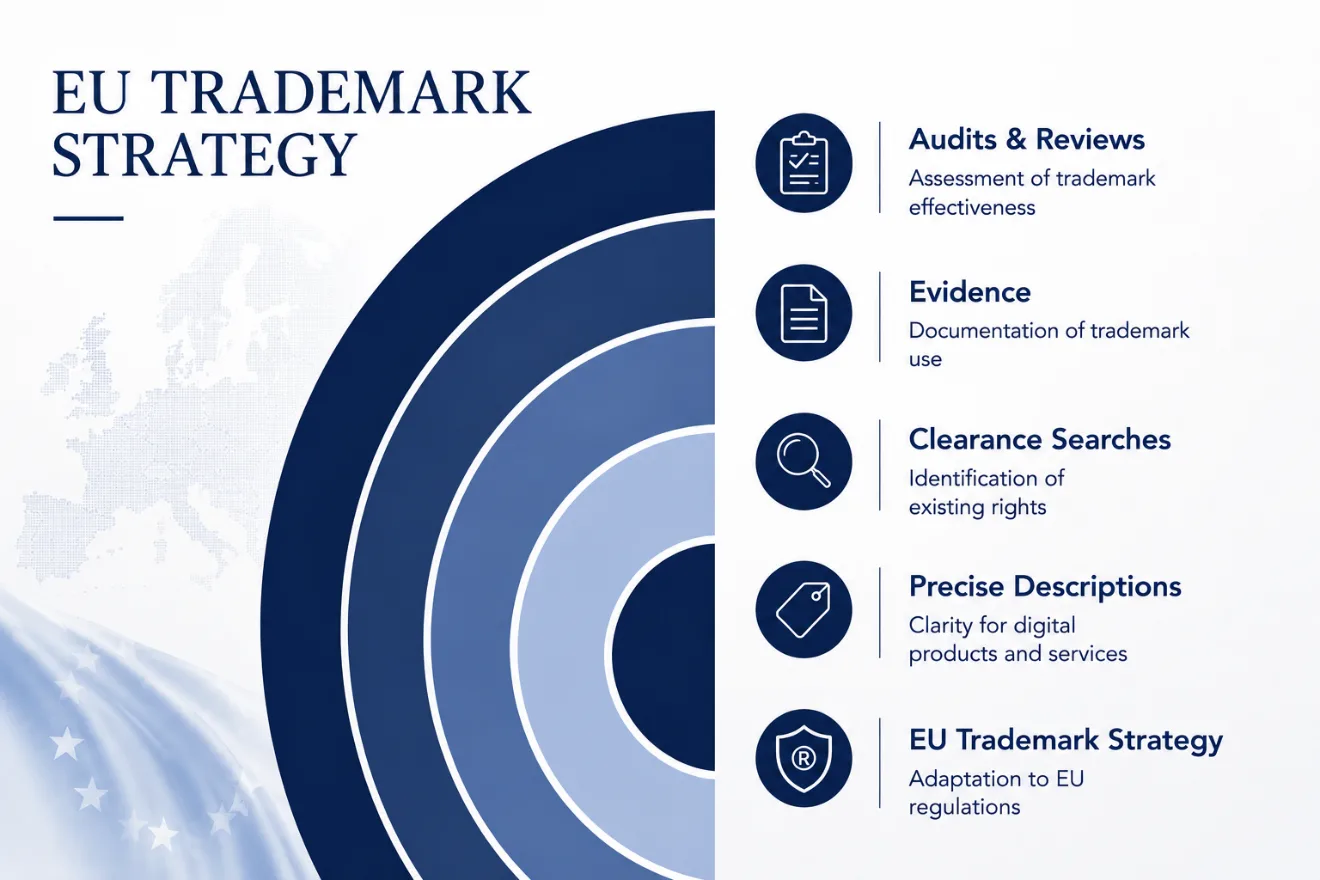
Trade Mark filing strategy and autonomous sub-categories: Securing your specification and anticipating proof of use

GPG Promo Kit TRADEMARKS & COPYRIGHT 2026 X Post with Logo eg[78]

European and French case law now imposes a renewed discipline on trade mark filing. The days when a broad specification was enough to guarantee solid protection are over. Here is a breakdown of the key issues and best practices.

Why case law on sub-categories is changing the game

Filing a trade mark confers an exclusive right. But this right only exists in relation to the specific goods and services designated in the registration. In practice, the value of a trade mark depends as much on the sign itself as on the specification accompanying it.

For several years now, European and French case law has consistently reiterated a straightforward principle: a trade mark must not confer a purely theoretical monopoly over markets that its owner does not actually exploit. This requirement finds very concrete expression in the concept of autonomous sub-categories and in the strengthened control of genuine use.

This context is all the more significant as companies face an increase in oppositions, invalidity actions and counterclaims for revocation, especially where older trade mark portfolios cover very broad specifications.

The specification of goods and services: the trade mark’s true legal perimeter

For a long time, a “broad filing” approach prevailed. Applicants sometimes opted for generic wording or simply reproduced class headings, with the aim of maximising protection without having to anticipate in detail how the trade mark would be used.

Today, however, this strategy entails increased risk. Where a trade mark is registered for a broad category but is only used for part of that category, it may be partially revoked. Protection then remains only for the segments actually used, which can drastically reduce the scope of enforcement.

The legal framework: genuine use, revocation and the burden of proof

French law provides for revocation where a trade mark has not been put to genuine use for five consecutive years. The reference provision is Article L.714-5 of the French Intellectual Property Code, interpreted in line with the applicable European framework, in particular Article 18 of the EU Trade Mark Regulation (EUTMR).

One essential point for businesses: the burden of proof lies with the trade mark owner. In the event of a challenge, it is not for the third party to demonstrate non-use, but for the proprietor to prove genuine, relevant and dated use.

Furthermore, where the specification is broad and divisible, proof must be provided for the relevant sub-categories. This explains why certain portfolios, despite being intensively exploited, are nevertheless weakened.

Understanding autonomous sub-categories: a jurisprudential concept

The concept of an autonomous sub-category does not stem from any express statutory definition. It is a concept developed through case law to reflect economic reality: within a broad category, certain goods or services may form distinct, identifiable and coherent groups.

Case law focuses in particular on criteria relating to the purpose and intended use of the goods and services. What matters is the expected use by the public and the economic function of the product or service, rather than its formal classification.

In practice, an overarching category such as “transport”, “cosmetics” or “software” may cover very different realities. The court may therefore consider that such a category is divisible into autonomous sub-categories and require segmented proof of use.

The European “Ferrari” case law: balancing protection and proportionality

The Ferrari cases (C-720/18 and C-721/18) of 22 October 2020 clarified the CJEU’s reasoning on use in relation to specifications covering categories of varying breadth. The logic is structured around a practical distinction:

  • Where a trade mark covers a precise and indivisible category, use in relation to part of that category may be sufficient.
  • Conversely, where the category is broad and divisible, use must be proven for each identifiable autonomous sub-category.

This distinction is particularly useful when building a filing strategy. It prompts a simple question: will the category claimed be perceived tomorrow as a “homogeneous whole”, or as a set of distinct segments?

French case law: the Court of Cassation decisions of 14 May 2025

First decision (No. 23-21.296): taxi services and the “transport” category

In a first decision (Cass. com., 14 May 2025, No. 23-21.296), the French Court of Cassation provides a very concrete illustration of the requirement to segment goods and services into sub-categories. The trade marks at issue were registered for “transport” and “passenger transport” services. The proprietor demonstrated genuine use for taxi services, and the Court of Appeal had considered this sufficient.

The Court of Cassation adopted a more demanding approach. It criticised the lower court for failing to assess whether taxi services constituted an autonomous and coherent sub-category within the broader category of transport services. It recalled that such an assessment must be objective and based on the purpose and intended use of the services.

Second decision (No. 23-21.866): cosmetics and essential oils

The second decision rendered on the same day (Cass. com., 14 May 2025, No. 23-21.866) further confirms and refines this requirement. The trade mark was registered for several broad categories of goods, including cosmetics and essential oils. The proprietor relied on use relating to specific products such as textiles impregnated with active substances or composite products incorporating essential oils.

The Court of Cassation overturned the Court of Appeal’s reasoning, criticising it for failing to examine whether those products genuinely corresponded to the goods as registered or whether they constituted autonomous sub-categories requiring specific proof of use.

These decisions confirm that the French Supreme Court now requires a strict alignment between the evidence of use relied upon and the exact scope of the specification.

The court’s power to subdivide the specification

One of the key lessons from recent case law is that the court is not bound by the wording of the specification as drafted. Even if the applicant has not provided for any subdivision, the court may carry out an objective division into autonomous sub-categories where justified by the purpose and intended use of the goods or services.

This power has very tangible effects. A simple and overarching specification may, in litigation, be broken down into multiple segments. The proprietor then faces a heavier evidentiary burden than anticipated.

In practice, this mechanism makes the filing strategy inseparable from the evidentiary strategy. Filing broadly is not merely a legal decision; it is also a documentary, internal and operational decision.

Filing a trade mark: the right level of precision

An effective filing strategy is based on a careful balance. If the specification is too broad, the trade mark may be vulnerable to revocation. If it is too narrow, the trade mark may be insufficient to support commercial development or to act against close competitors.

The question is therefore not whether to file broadly or narrowly, but how to file intelligently, calibrating the specification so that it is both commercially useful and legally defensible in the long term.

Anticipating proof of use: an operational component of trade mark strategy

In practice, the most sensitive issue is proof of use. When a trade mark is challenged, the question is not merely to prove that it is used. It is necessary to prove that it is used for the goods and services covered by the registration, and sometimes for autonomous sub-categories identified in litigation.

For each plausible sub-category, it is recommended to gather specific and segmented evidence:

  • Invoices or order forms identifying the type of product or service, with dates and geographical areas.
  • Catalogues, brochures, commercial leaflets or archived web pages showing the trade mark associated with the relevant segment.
  • Targeted advertising campaigns, announcements or promotional materials, dated and linked to a specific product or service.
  • Internal reports by business segment, where their content can be produced and relied upon in litigation.
  • Relevant contracts, in particular licences, distribution, maintenance, or evidence showing exploitation by an authorised third party.

Each item of evidence should be preserved within a structured file: not as an undifferentiated mass of documents, but as an organised set by sub-category.

Use by subsidiaries, licensees or distributors

In many corporate groups, trade mark use may be carried out by subsidiaries, distributors or licensees. Case law, in line with Article 18(2) EUTMR, generally accepts that use by an authorised third party may be taken into account, provided that such use takes place with the proprietor’s consent.

This nevertheless requires contractual and documentary organisation. It must be possible to establish the existence of authorisation and to demonstrate the reality of exploitation under the trade mark.

Use in a modified form: securing trade mark variants

Companies rarely use a trade mark in a form identical to the registered version. European and French courts, in line with Article L.714-5(3) of the French Intellectual Property Code and Article 18 EUTMR, accept use in a modified form provided that the modification does not alter the distinctive character of the sign.

As part of a filing strategy, it may therefore be advisable to anticipate certain variants by filing the word trade mark alone or by securing the main versions actually used.

Sub-categories and litigation: impact on opposition, invalidity and competition

The issue of sub-categories is not limited to revocation. It also affects disputes relating to likelihood of confusion, as the similarity of goods and services is assessed with increasing granularity.

For businesses, the key takeaway is that filing strategy must now be read in mirror with litigation strategy. A well-filed trade mark is easier to defend, easier to enforce, and more dissuasive.

Conclusion – Filing today means preparing tomorrow’s defence

Case law on autonomous sub-categories imposes a new discipline in trade mark filing strategy. Filing can no longer be conceived as abstract protection disconnected from actual use. It must be calibrated according to real markets and the evidence the company will be able to produce.

In practice, an effective filing strategy combines three dimensions:

  • An intelligently structured specification.
  • Anticipation of possible segmentation.
  • Proactive organisation of evidence.

This approach transforms the trade mark into a genuinely defensible and sustainable asset, serving the company’s growth and legal security.


FAQ – Frequently Asked Questions on Sub-Categories and Proof of Use

What is an autonomous sub-category in trade mark law?
An autonomous sub-category is a coherent group of goods or services, identifiable within a broader category, based on its purpose and intended use. This concept, developed through European case law (notably the CJEU’s Ferrari rulings) and adopted by the French Court of Cassation, allows the court to segment a trade mark specification and verify that genuine use is demonstrated for each relevant segment.

What is the time limit for demonstrating genuine use of a trade mark in France?
Under Article L.714-5 of the French Intellectual Property Code, the trade mark owner must demonstrate genuine use within five years following registration. After this period, the mark is exposed to a revocation action if no genuine use can be proven.

Who bears the burden of proving use?
It is the trade mark owner who must prove genuine use when challenged, not the third party initiating the revocation action. This rule follows from the principle that it would be disproportionate to require the applicant to prove a negative fact (non-use).

My trade mark is used by a licensee: does that count as genuine use?
Yes, case law accepts that use by an authorised third party (licensee, subsidiary, distributor) may constitute genuine use, provided it takes place with the proprietor’s consent and the mark continues to fulfil its essential function of guaranteeing origin. However, this must be properly documented (licence agreement, distribution agreement, group policy).

Can I use my trade mark in a slightly different form from the registered version?
Yes, both French and European law accept use in a modified form, provided the modification does not alter the distinctive character of the sign. However, substantial visual or conceptual changes may prevent recognition of use of the registered mark. It may be prudent to also register the main variants in use.

How should I organise my proof of use in practice?
It is recommended to build a structured file for each sub-category of goods or services, including dated invoices, catalogues, advertising materials, website screenshots, internal reports by business segment, and licence or distribution agreements. Each item should be dated, geographically located, and linked to a specific product or service.

Is an overly broad specification automatically vulnerable?
Not necessarily, but the risks are increased. If the mark is registered for a broad and divisible category, the court may subdivide that category into autonomous sub-categories and require segmented proof of use. If the proprietor only exploits part of the category and cannot document use for the other segments, the mark may be partially revoked.

What is the difference between the Nice Classification and autonomous sub-categories?
The Nice Classification is an international administrative tool that organises goods and services into 45 classes. Autonomous sub-categories are a jurisprudential concept based on economic and functional logic. The French Court of Cassation has expressly stated that the Nice Classification is merely an indication and does not bind the court in its analysis of genuine use.


This article is based on the contribution of Dreyfus & Associés to the “Trade Marks & Copyright 2026” Practice Guide published by Chambers and Partners.

For any questions regarding your trade mark filing strategy or the organisation of your proof of use, contact us: contact@dreyfus.fr

Read More

The implementation of an accelerated UDRP procedure

Introduction

The Uniform Domain Name Dispute Resolution Policy (UDRP) constitutes the principal extrajudicial mechanism for resolving domain name disputes at the international level. Established by ICANN (Internet Corporation for Assigned Names and Numbers) in 1999, it enables trademark owners to challenge the abusive registration and use of domain names commonly referred to as cybersquatting without resorting to traditional court proceedings, which are typically lengthier and more costly.

Since March 9 2026, one of the five providers accredited to administer UDRP proceedings, namely the WIPO Arbitration and Mediation Center, has introduced an optional priority processing service (“UDRP Priority Service”), enabling the expedited examination of certain UDRP complaints. This optional mechanism allows complainants, upon request and subject to the Center’s acceptance, to benefit from an accelerated review of their complaints.

Overview of the UDRP procedure

The UDRP primarily applies to domain names registered under generic top-level domains (gTLDs), including new gTLDs, as well as certain country-code top-level domains (ccTLDs) that have contractually adopted the Policy.

To succeed in a UDRP complaint, the complainant must establish the following three cumulative elements:

  • Identity or confusing similarity: the disputed domain name must be identical or confusingly similar to a trademark or distinctive sign in which the complainant has rights.
  • Absence of rights or legitimate interests: the domain name holder must lack rights or legitimate interests in respect of the domain name, such as prior bona fide use or legitimate non-commercial use.
  • Registration and use in bad faith: the domain name must have been registered and used in bad faith, typically for purposes such as diversion, speculative resale, or exploitation aimed at harming or capitalizing on the trademark owner’s reputation.

process udrp procedure

Within this framework, the administrative Panel may order the transfer or cancellation of the disputed domain name. The UDRP does not provide for monetary damages. The parties nevertheless retain the right to initiate proceedings before competent national courts.

On average, a UDRP proceeding lasts between 45 and 60 days. While significantly shorter than conventional litigation, this timeframe may remain considerable in cases involving manifest infringement of prior rights. During this period, the continued operation of the disputed domain name may cause substantial harm, including reputational damage and diversion of customers.

For more information on the classic UDRP procedure, you can read the previously published article on the subject: https://www.dreyfus.fr/en/2025/01/29/the-evolution-of-udrp-procedures-what-you-need-to-know-in-2025/

It was in this context that the Uniform Rapid Suspension (URS) mechanism was introduced to address clear-cut cases of cybersquatting more swiftly. However, while the URS enables the rapid suspension of a domain name, it does not result in either its transfer or its definitive cancellation. It applies primarily to the gTLDs launched under ICANN’s 2012 “New gTLD Program”, as well as to certain pre-existing extensions that have incorporated the URS following the renewal of their registry agreements, such as, for example, “.org, .info, .biz, .mobi, .travel, .jobs, .pro”. Its scope and remedial effect therefore remain restricted, prompting renewed consideration of genuinely expedited UDRP procedures.

Implementation of an expedited UDRP procedure

In response to the need for more rapid dispute resolution while preserving the substantive effects of the traditional UDRP, WIPO has recently introduced an expedited UDRP mechanism. This service is intended to be used in relatively straightforward or clear-cut disputes, particularly where the facts and legal arguments do not raise any particular complexity and therefore allow for expedited processing of the case.

The principal advantage of this framework lies in the fact that it remains a fully-fledged UDRP proceeding capable, in particular, of transferring the domain name while operating under a significantly compressed timeline. Accordingly, the legal criteria of the UDRP Policy remain unchanged: the complainant must still establish the three cumulative elements required under the Policy.Under this mechanism, a decision may be notified within approximately 30 days from the filing of the complaint.

It should, however, be noted that this timeframe remains subject to certain external factors, including the response times of the registrar and the parties, which may affect the overall duration of the proceedings.

How does the expedited UDRP procedure operate?

  • Number of Panelists

Under this system, the case is decided by a sole Panelist. Any request for the appointment of a three-member Panel automatically removes the case from the expedited track and results in its treatment under the standard UDRP procedure.

  • Number of domain names

The expedited procedure may apply up to five domain names, provided that they are all held by the same registrant.

This requirement inherently excludes any request for consolidation involving multiple respondents or necessitating proof of common control among different entities.

  • Costs of the procedure

The fees are structured as follows:

  • USD 4,000 in administrative fees;
  • USD 3,000 corresponding to the Panelist’s fees.

Conclusion

In summary, the expedited UDRP procedure reflects an effort to adapt dispute resolution mechanisms to the need for increased speed in online infringement matters. It preserves the essential effects of the traditional UDRP while substantially reducing processing time. As such, it offers an intermediate solution between the standard UDRP procedure and the URS. Its practical effectiveness will ultimately depend on its implementation conditions and its attractiveness to rights holders.

Dreyfus & Associés assists its clients in managing complex intellectual property cases, offering personalized advice and comprehensive operational support for the complete protection of intellectual property.

Dreyfus & Associés works in partnership with a global network of attorneys specializing in Intellectual Property.

Nathalie Dreyfus with the support of the entire Dreyfus team

FAQ

1. Why does the URS procedure not replace the UDRP procedure?
Because it does not allow for the transfer of the domain name and applies within a more limited scope of domain names.

2. Who may initiate a UDRP proceeding?
Any individual or entity holding prior rights (including registered or recognized unregistered trademarks, trade names, etc.).

3. What language governs the UDRP proceedings?
In principle, the language of the domain name registration agreement, unless otherwise determined by the Panel.

4. What happens if the respondent fails to reply to the complaint filed against its domain name?
The proceeding continues, and the Panel renders its decision on the basis of the evidence submitted by the complainant.

5. Is there a risk of procedural abuse by complainants?
Yes. A Panel may find that a complaint constitutes Reverse Domain Name Hijacking where the complainant has brought the UDRP proceeding in bad faith (notably where it knew, or should have known, that the Policy requirements were not met). Such a finding is purely declaratory: it entails no monetary award and no order for reimbursement of the administrative fees.

The purpose of this publication is to provide general guidance to the public and to highlight certain issues. It is not intended to apply to particular situations or to constitute legal advice.

Read More

Simultaneous filing of a plant variety right and a patent: which strategy should be adopted?

Introduction

In a context where plant innovation is rapidly evolving through biotechnology, plant breeding and genetic engineering, economic actors increasingly seek to maximize the legal protection of their innovations while securing their competitive advantage in the marketplace. A recurring question concerns the compatibility of filing both a plant variety right and a patent in relation to the same research subject: is it possible to obtain both a Plant Variety Right (PVR) and a patent without creating conflicts between these rights?

This issue lies at the heart of intellectual property strategies in the plant sector. It raises questions regarding the scope of protection, commercial exploitation and potential litigation risks, all of which must be carefully managed by innovative companies.

Conditions of protection and protected subject matter: patent and plant variety right (PVR)

The consistency of a simultaneous filing strategy relies on a fundamental distinction: a patent protects a technical invention, whereas a plant variety right protects a specific plant variety. The legal criteria and underlying logic of these two regimes differ significantly.

The patent: protection of a technical solution

A patent protects a technical solution to a technical problem. However, no patent is granted for plant varieties as such. Plant varieties are defined subgroups of a plant species that are distinguished from other varieties by specific hereditary characteristics.

In other words, plants obtained through crossing and selection are excluded from patentability under Article 53(b) of the European Patent Convention (EPC).

In the plant field, a patent may therefore cover only:

  • An isolated gene with an identified technical function;
  • A genetic transformation process;
  • A technical breeding method.

To be patentable, the invention must satisfy the classical criteria of novelty, inventive step and industrial applicability (Article 52 EPC).

In order to prevent patents relating to plants obtained by technical processes from inadvertently covering plants obtained through essentially biological processes, the European Patent Office often requires the introduction of a disclaimer.

In practice, the claims, which define the scope of protection sought, must therefore explicitly specify that the invention does not cover plants obtained by essentially biological processes.

The patent thus protects a technology or functional mechanism, independently of any specific plant variety.

The plant variety right (PVR): protection of a plant variety

Plant varieties are protected under a separate intellectual property regime: plant variety protection.

A Plant Variety Right protects a distinct plant variety that satisfies the following criteria:

  • Commercial novelty,
  • Distinctness,
  • Uniformity,
  • Stability.

The PVR grants its holder an exclusive right over the production, commercialization and exploitation of the reproductive material of the protected variety.

However, the regime includes specific features, such as:

Unlike patents, the PVR does not protect a technical process, but rather the plant variety itself, defined by its genetic and phenotypic characteristics.

comparison pvr patent

Possible compatibility or legal barriers?

What European and French law allow

According to case law and the practice of the offices (notably the European Patent Office), it is possible to obtain both a patent and a PVR for different aspects of the same innovation:

  • The PVR protects the variety as such (its genetic and phenotypic definition).
  • The patent protects a technical invention that may be used across several varieties such as a gene conferring resistance or an innovative cultivation method.

Protection may therefore be cumulative where the protected subject matter is legally distinct, for example, a patented genetic mechanism applicable to multiple varieties and a specific variety protected by a PVR.

Potential areas of conflict and exclusion

Nevertheless, conflicts may arise in certain situations, particularly where patent claims are drafted too narrowly or too specifically, leading in practice to coverage of an identifiable plant variety. This could create an overlap with the scope of the PVR and raise issues of exclusion from patentability under European and French law, since plant varieties cannot be patented.

These grey areas require very careful claim drafting and, in some cases, dialogue with patent offices, to ensure that the two forms of protection remain clearly distinct.

In some configurations, the exploitation of one right may depend on the use of the other. To prevent technological deadlock, the law allows, under certain conditions, the granting of compulsory licences in cases of dependency between a patent and a plant variety right, particularly under Directive 98/44/EC on the legal protection of biotechnological inventions.

This mechanism ensures a balance between exclusive rights and the dissemination of innovation, while guaranteeing equitable remuneration for the holder of the earlier right.

Strategic trade-offs for plant innovators

Impact on commercial exploitation

A simultaneous filing strategy must be aligned with commercial and profitability objectives:

  • Market coverage: a patent may deter competitors from using a patented technology in other varieties, while the PVR guarantees exclusive control over the protected variety’s name and propagating material.
  • Cross-licensing: it may be strategic to structure separate licence agreements: one PVR licence for varietal exploitation and one patent licence for the underlying technology, to maximise revenues without unduly restricting innovation.
  • Management of exceptions: certain European legal systems allow exceptions such as the farmer’s privilege or farm-saved seed under specific conditions, which directly affect commercial strategy.

A coordinated approach enables protection of the varietal creation while ensuring maximum commercial impact, particularly in highly competitive sectors such as commercial agriculture or specialised horticulture.

Management of litigation risks

The simultaneous filing of a patent and a PVR may give rise to specific disputes, in particular concerning:

  • Definition of the scope of protection: divergent interpretations of patent claims or of the scope of the protected variety may lead to infringement or invalidity actions.
  • Scientific developments: where varietal traits are progressively optimised, it must be assessed whether such improvements remain within the scope of the existing PVR or justify a new patent filing, in order to avoid overlap and portfolio fragility.

In this context, it is essential to draft clear and differentiated claims and to conduct a structured analysis of the respective fields of protection of the patent and the COV in order to avoid any overlap that could weaken the rights.

Conclusion

The simultaneous filing of a plant variety right and a patent can constitute a powerful strategy when structured around legally distinct and complementary subject matter. It requires disciplined drafting, a precise understanding of European legal regimes, and careful anticipation of commercial and litigation risks.

Dreyfus & Associés assists its clients in managing complex intellectual property cases, offering personalized advice and comprehensive operational support for the complete protection of intellectual property.

Dreyfus & Associés works in partnership with a global network of attorneys specializing in Intellectual Property.

Nathalie Dreyfus with the support of the entire Dreyfus team

FAQ

1. Can a PVR be filed first and a patent later?
Yes, both sequences are possible. Filing a PVR first does not in itself destroy the novelty of a patent, provided that the technical invention has not been publicly disclosed. However, commercialisation or detailed technical disclosure of the variety may jeopardise patentability.

2. Does simultaneous filing affect a company’s financial valuation?
A combined patent and PVR portfolio may enhance valuation during fundraising, M&A transactions or due diligence. Investors assess the robustness, remaining term and strategic coherence of the rights.

3. Are the rules identical outside the European Union?
No. Legal regimes vary by jurisdiction. Some countries strictly apply the UPOV Convention, while others adopt broader interpretations of patentability in the life sciences. An international strategy requires a country-by-country analysis.

4. Can trade secrets complement a patent and a PVR?
Yes. Technical information such as protocols, parental lines or agronomic data may be protected as trade secrets. This does not replace patent or PVR protection but may strengthen the overall strategy.

5. Can a patent block exploitation of a variety protected by a third party?
Yes. If a variety incorporates a trait covered by a third party’s patent, exploitation may require a licence, even if the variety itself is protected by a PVR. Ownership of a PVR does not guarantee freedom to operate.

This publication is intended to provide general guidance and highlight certain issues. It is not intended to apply to specific situations nor to constitute legal advice.
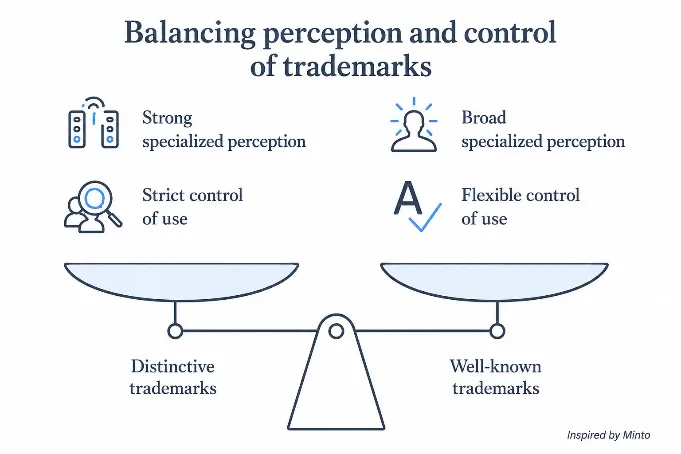
Read More